
Emotional impact on parents raising children with rare diseases.
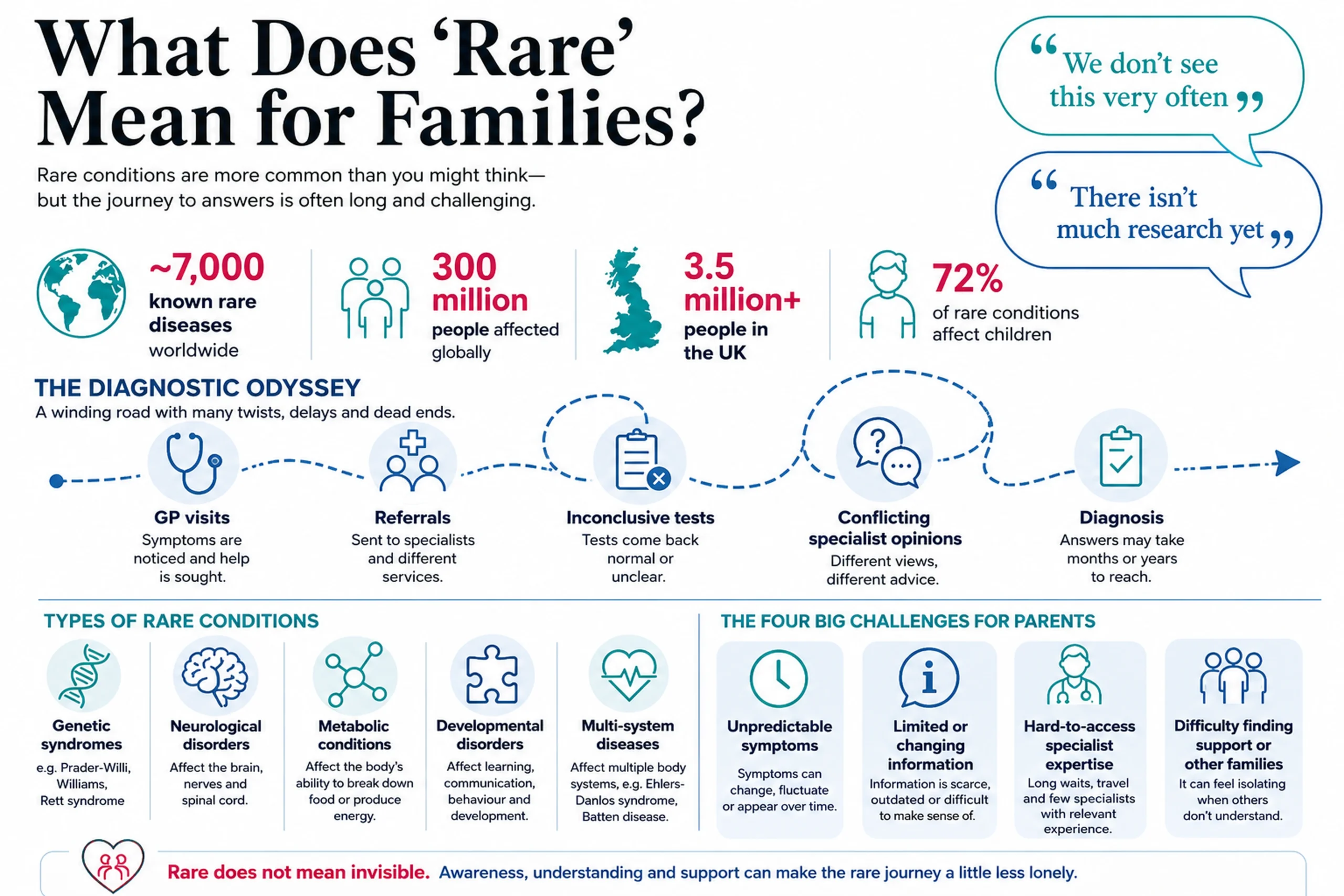 How Rare Diseases Affect Parents Emotionally and the Self-Care and Support Strategies That Can Help
Emotional impact on parents raising children with rare diseases.
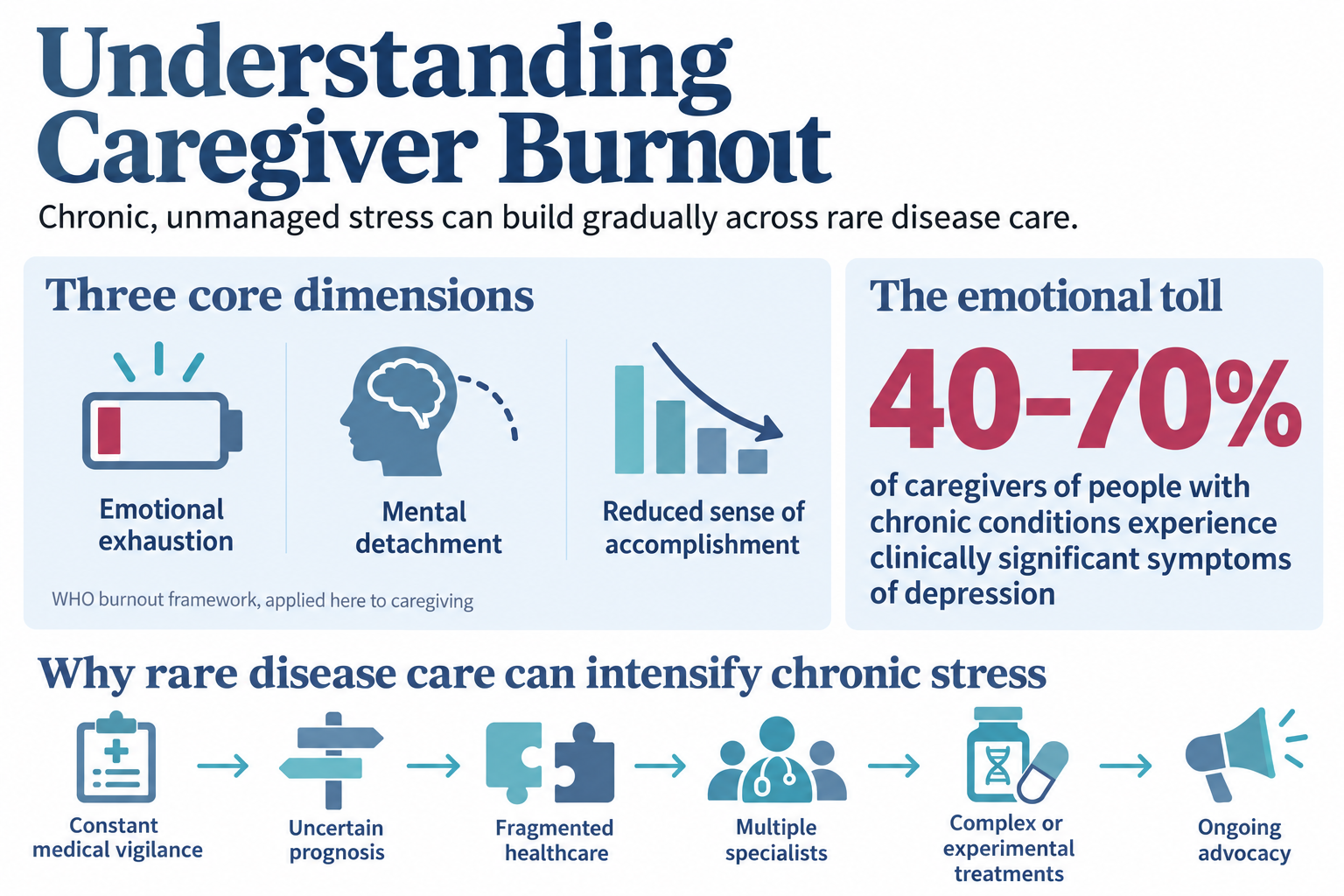 The Rare Disease Burnout Factor
Rare disease caregiver burnout can build slowly. Learn the warning signs, why caregivers are at higher risk, and steps for prevention and recovery.
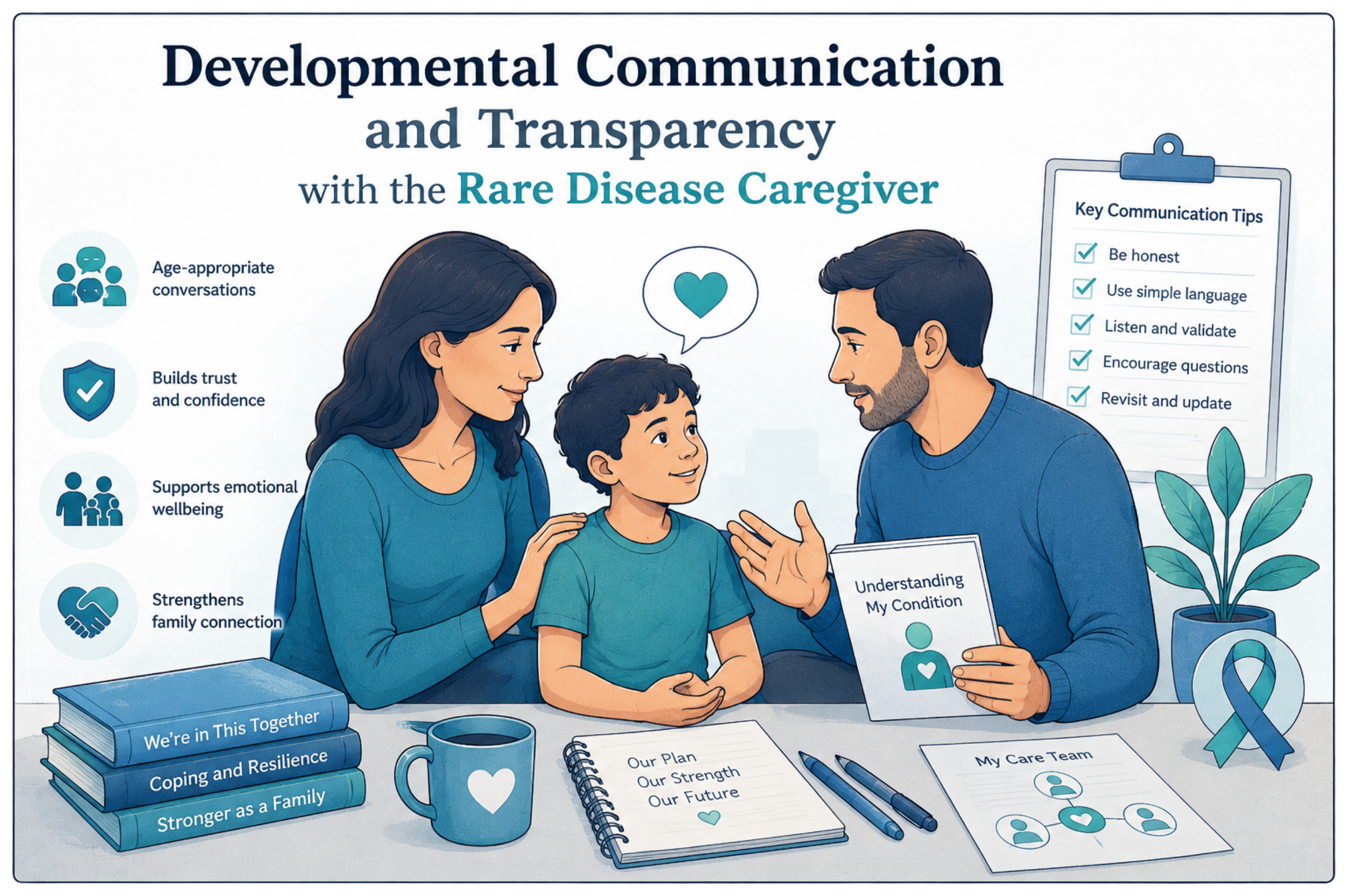 Psychological Coping Strategies for Rare Disease Caregivers
Rare disease caregivers face chronic stress and burnout. Find evidence-based coping strategies for resilience, emotional health, and family stability.
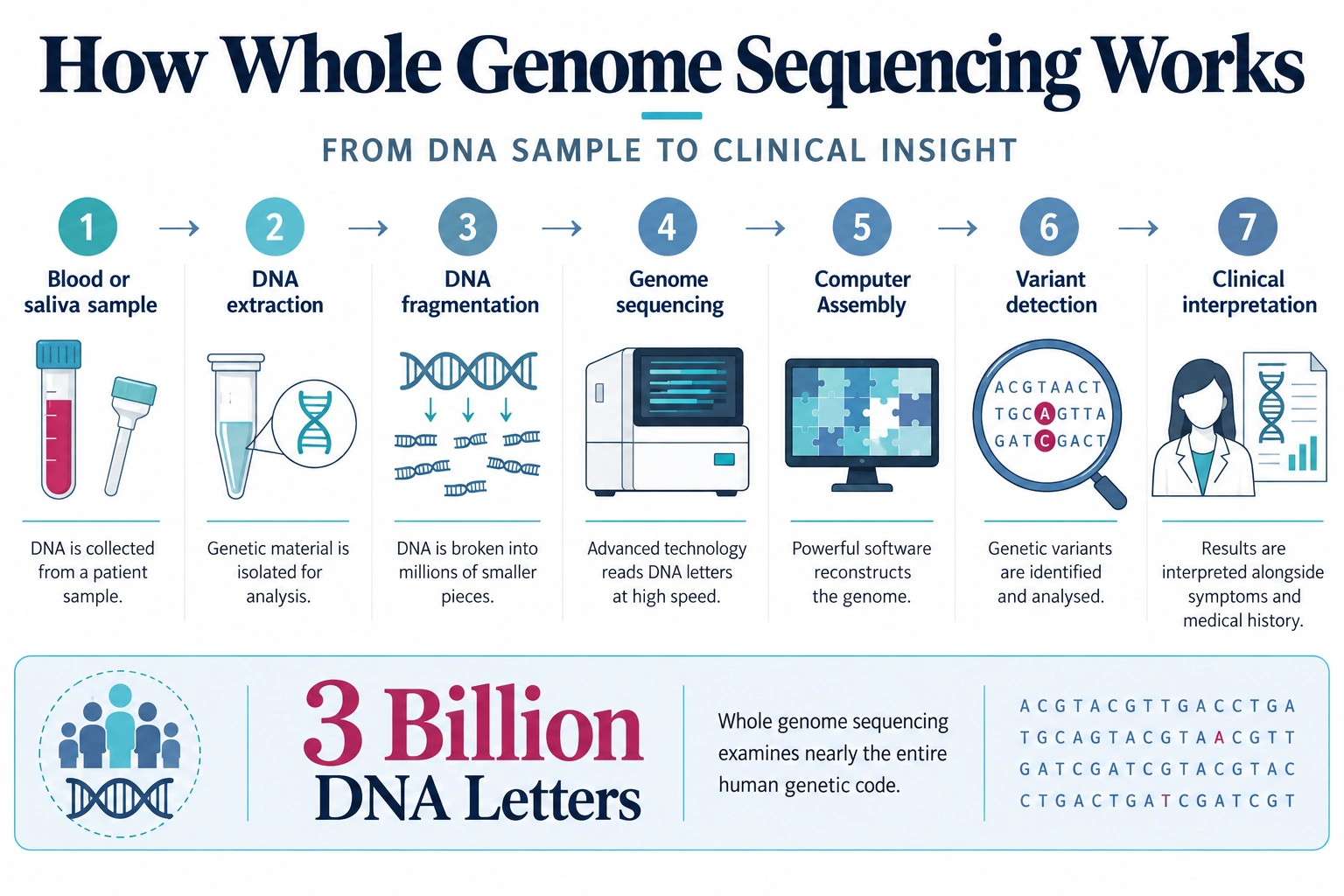 Whole Genome Sequencing: A Guide for Families
A clear, patient-friendly guide to whole genome sequencing, including how it works, what it reveals, and its role in diagnosis and research.
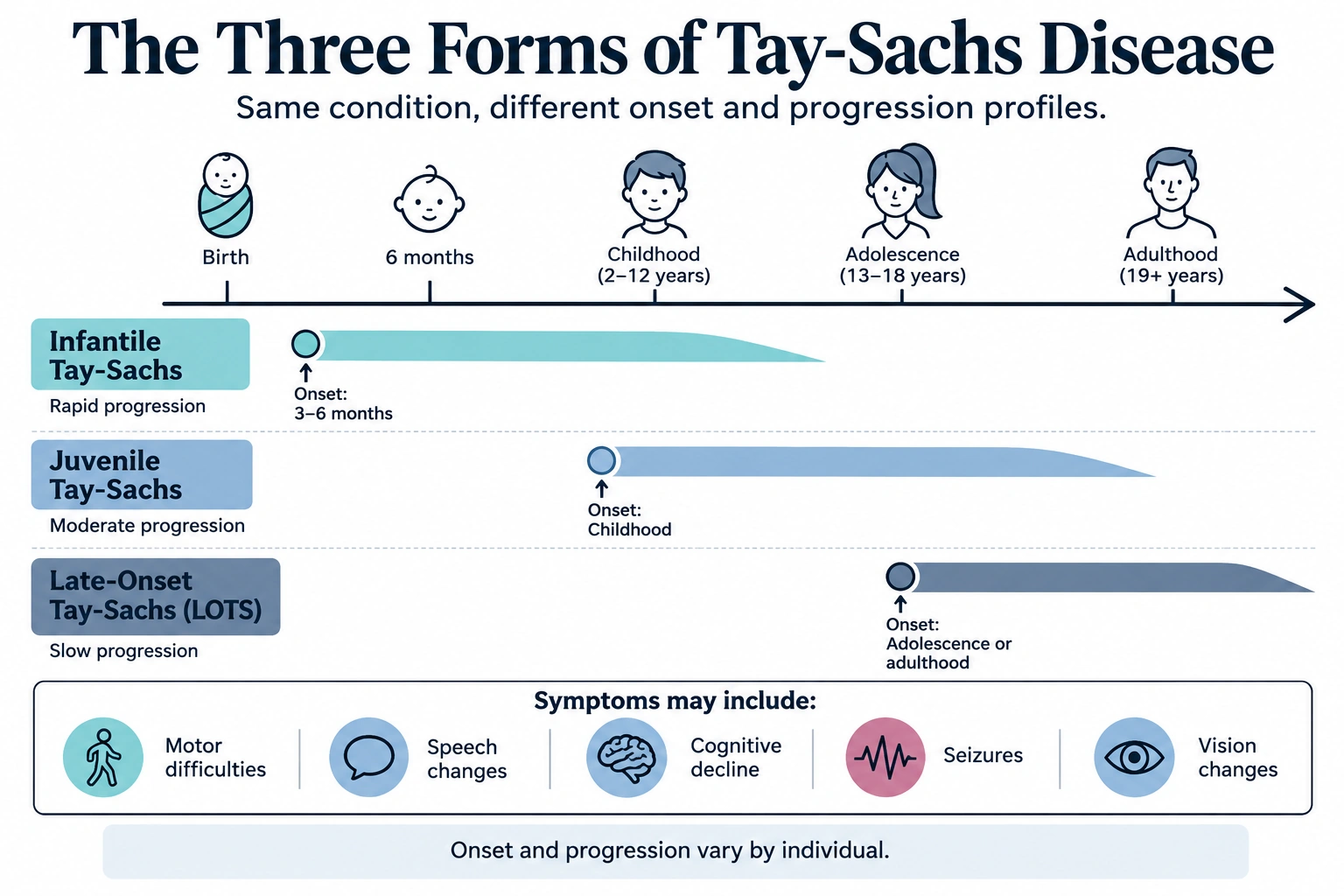 Tay-Sachs Disease: A Clear Guide
A clear, evidence-based guide to Tay-Sachs disease, covering causes, symptoms, inheritance patterns, genetic testing and diagnosis.
 Understanding the Rare Disease Diagnostic Journey
Rare disease diagnosis often takes years. Learn why delays occur, the barriers patients face, and how genomic testing is helping improve diagnosis.
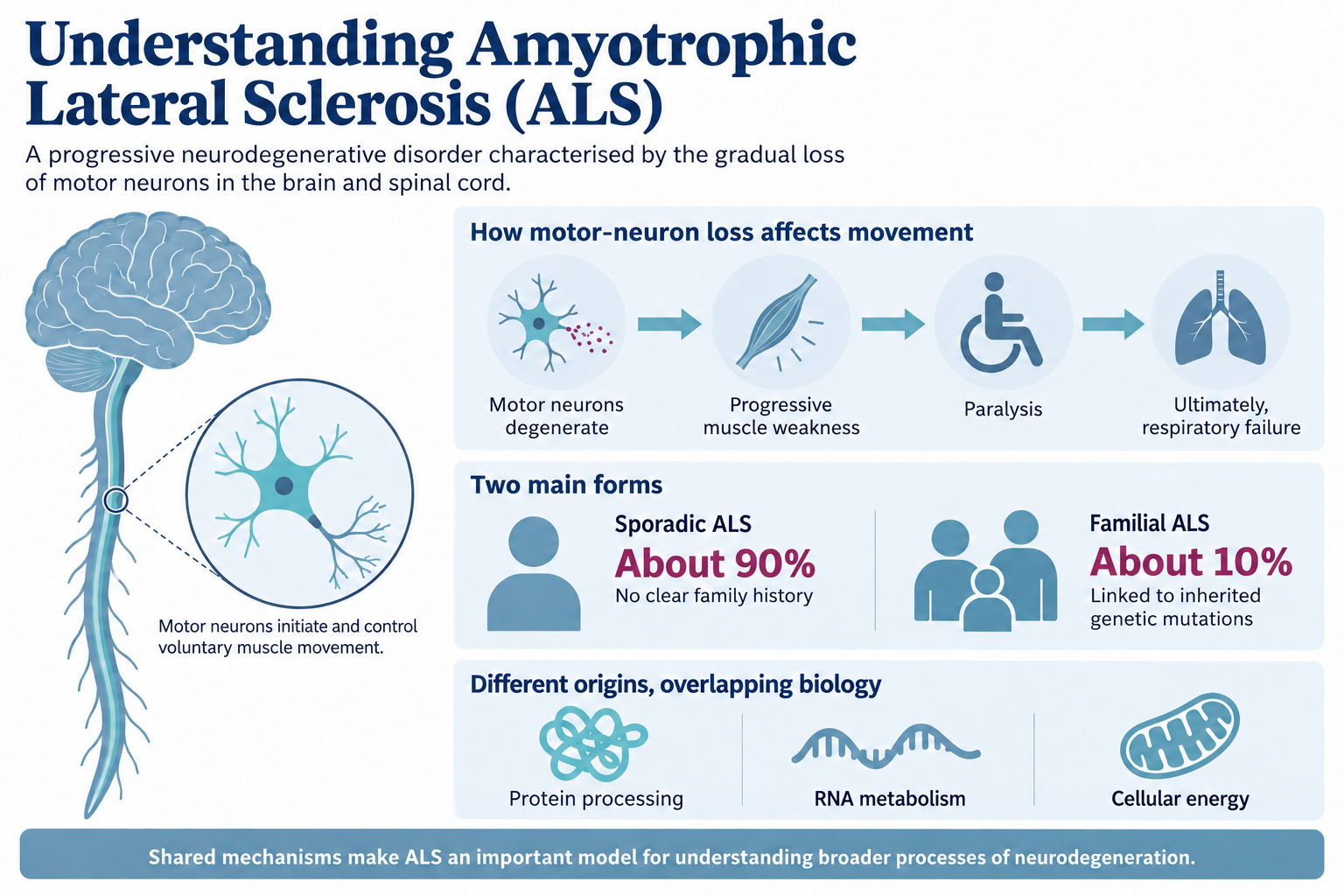 Amyotrophic Lateral Sclerosis: Motor Neuron Degeneration, Cellular Mechanisms, and Clinical Progression
A clear, in-depth overview of Amyotrophic Lateral Sclerosis, exploring motor neuron degeneration, genetic and molecular mechanisms, clinical symptoms, disease progression, and current research directions.
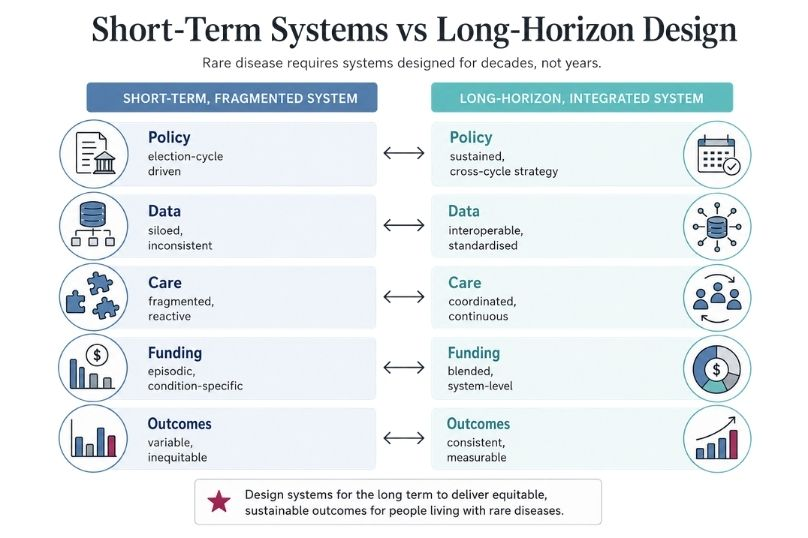 Rare Disease as a Systems Challenge: Policy, Data, and Care
Explore rare disease as a systems challenge shaped by governance, data, and care design. See why long horizon, integrated approaches improve outcomes.
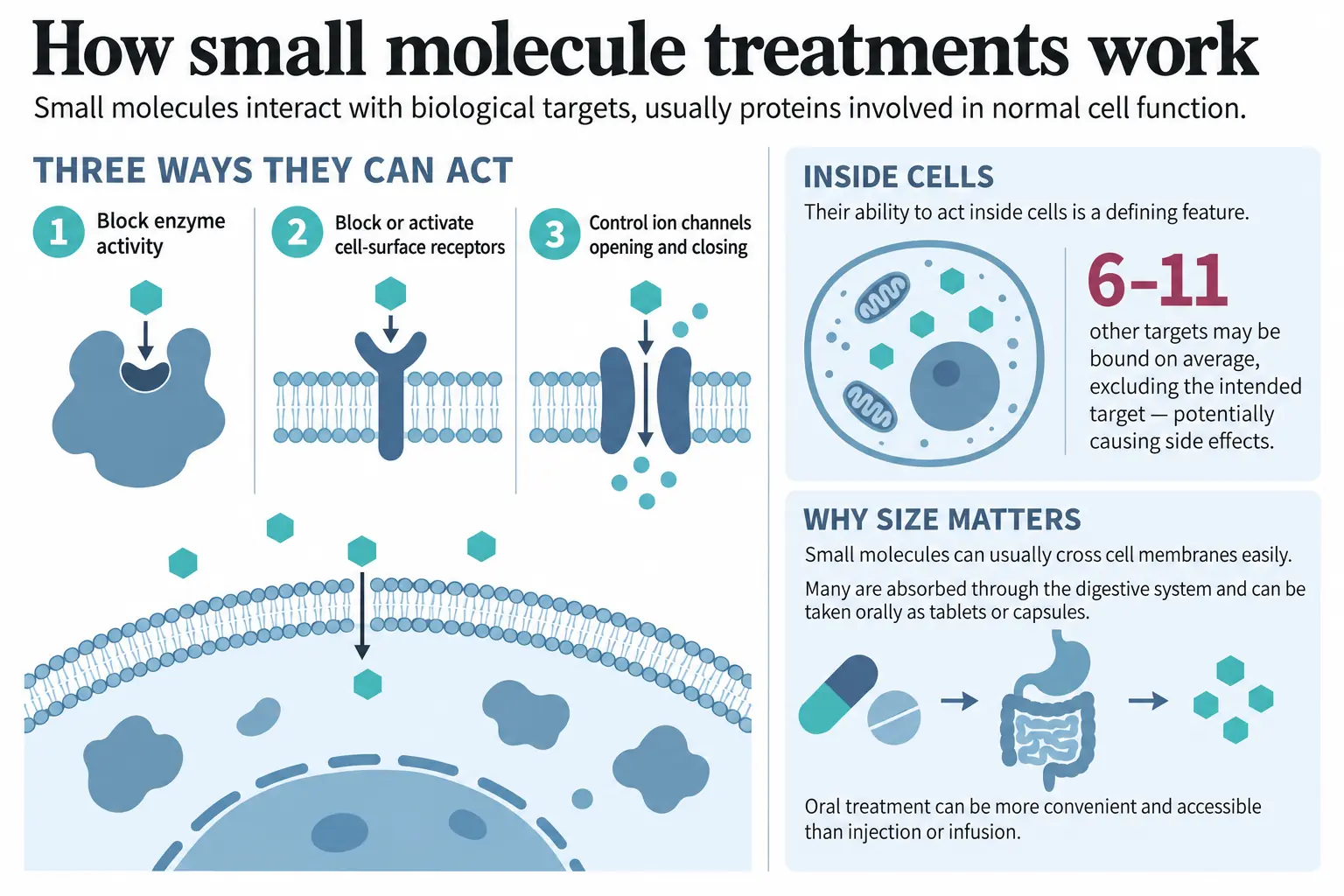 Understanding Small Molecule Treatments
Discover what small molecule treatments are, how they work inside the body, and why they play a key role in treating many rare diseases.
 How to Interpret “Breakthrough” Treatment Claims in Rare Diseases
Learn how to critically assess “breakthrough” treatment claims in rare disease research. Understand evidence stages, avoid hype cycles, and set realistic expectations based on science.