
Discover the differences between in vitro, in vivo, and in silico research, including their strengths, limitations, and role in biomedical science.
Here we report on recent rare disease research in a clear, accurate, and balanced way, explaining what new studies actually show and what they do not. Articles cover laboratory discoveries, clinical studies, gene research, new therapies, and emerging technologies, as well as negative or inconclusive results that are rarely discussed in headlines.
Where possible, we explain the strength of the evidence, the size of the study, and how close the research is to real-world treatment.
The aim is to help readers stay informed about genuine progress without exaggeration, misunderstanding, or false hope.
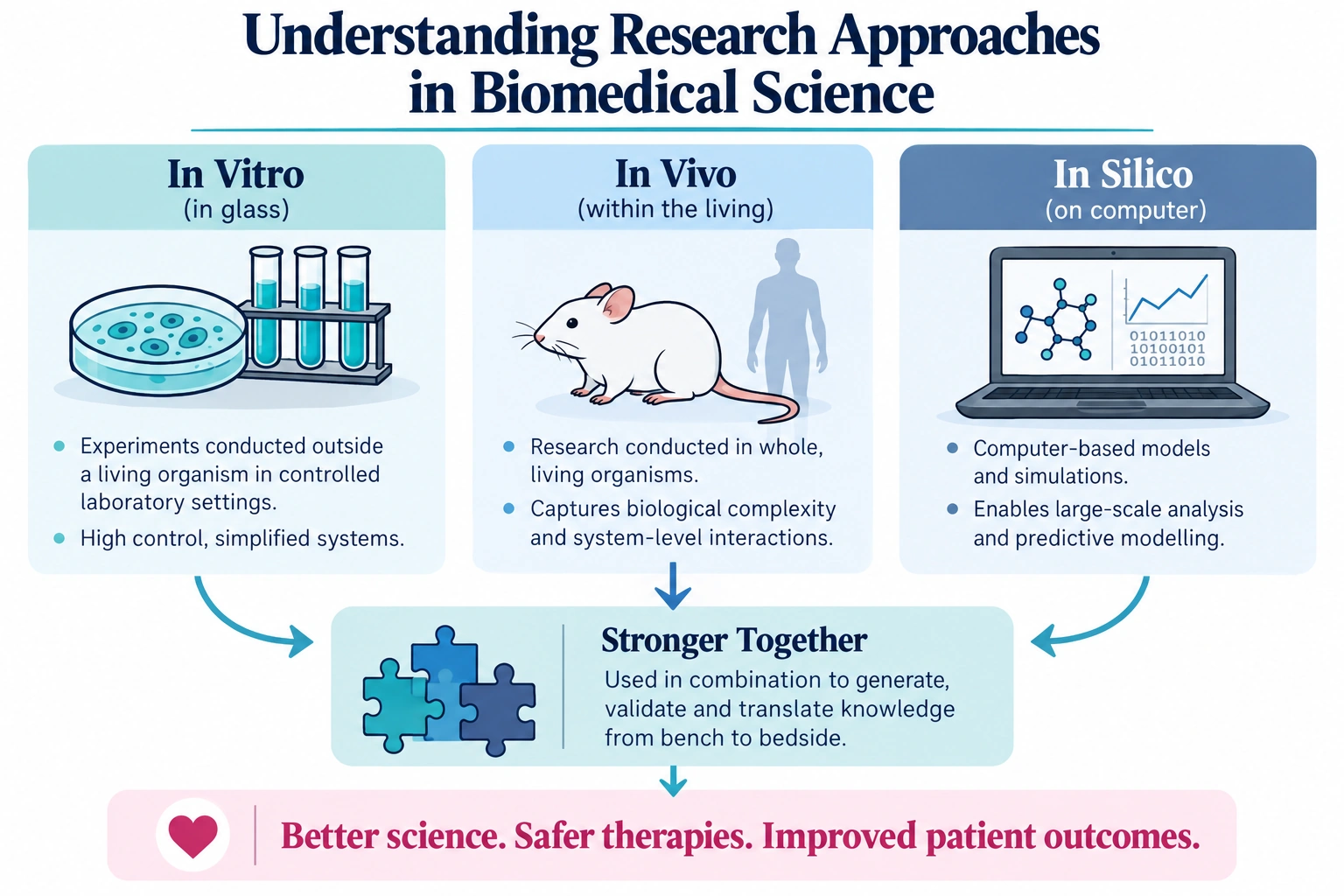 Understanding Research Approaches in Biomedical Science
Discover the differences between in vitro, in vivo, and in silico research, including their strengths, limitations, and role in biomedical science.
 Understanding Risk in Healthcare and Research
Discover how risk works in healthcare, why it’s not certainty, and how to weigh risks and benefits when choosing treatments or interpreting research.
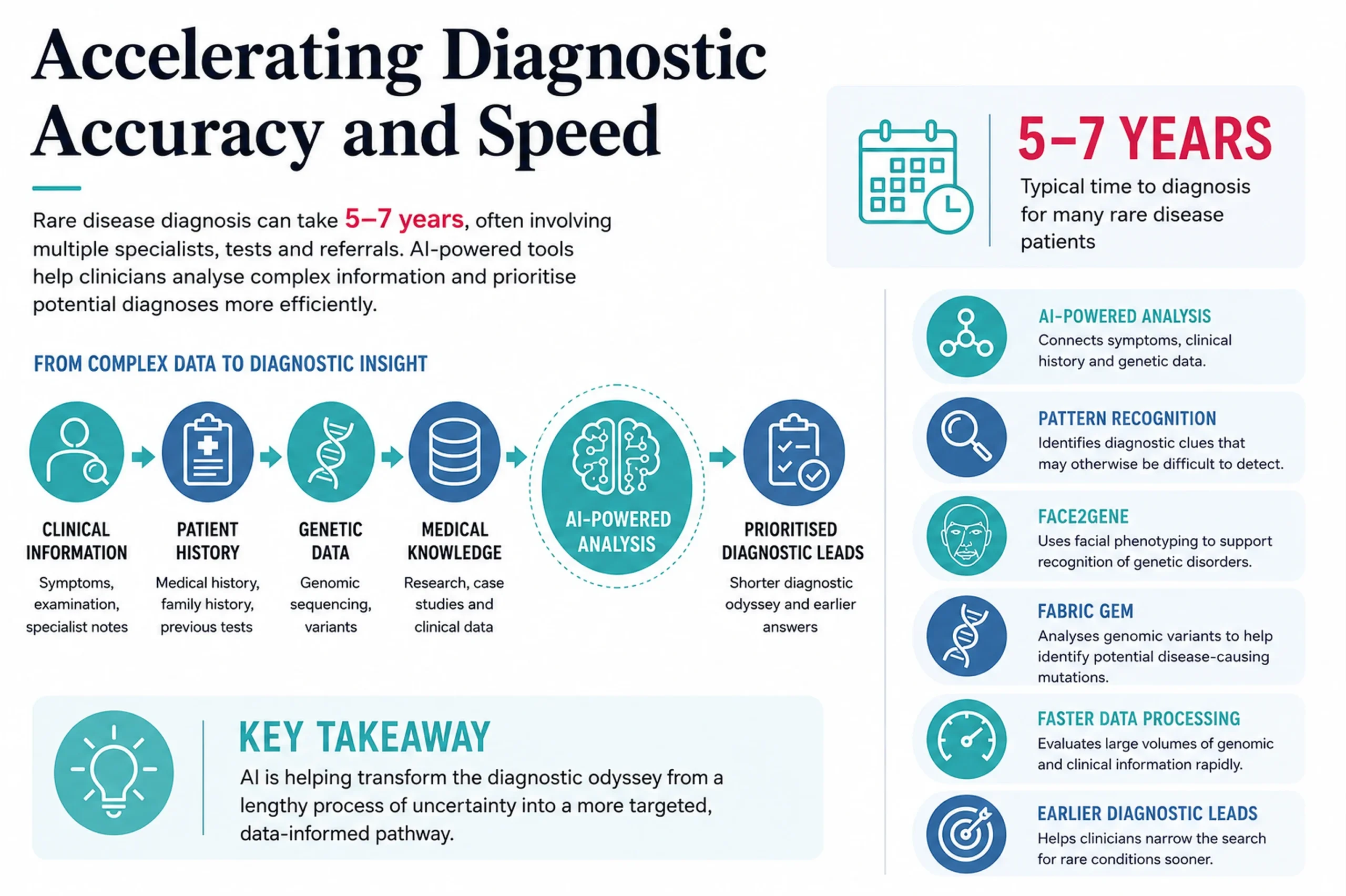 How Apps and Tools Support Rare Disease Management
Explore how AI, apps, and digital tools improve rare disease diagnosis, treatment adherence, and patient support across healthcare systems.
 How to Interpret “Breakthrough” Treatment Claims in Rare Diseases
Learn how to critically assess “breakthrough” treatment claims in rare disease research. Understand evidence stages, avoid hype cycles, and set realistic expectations based on science.
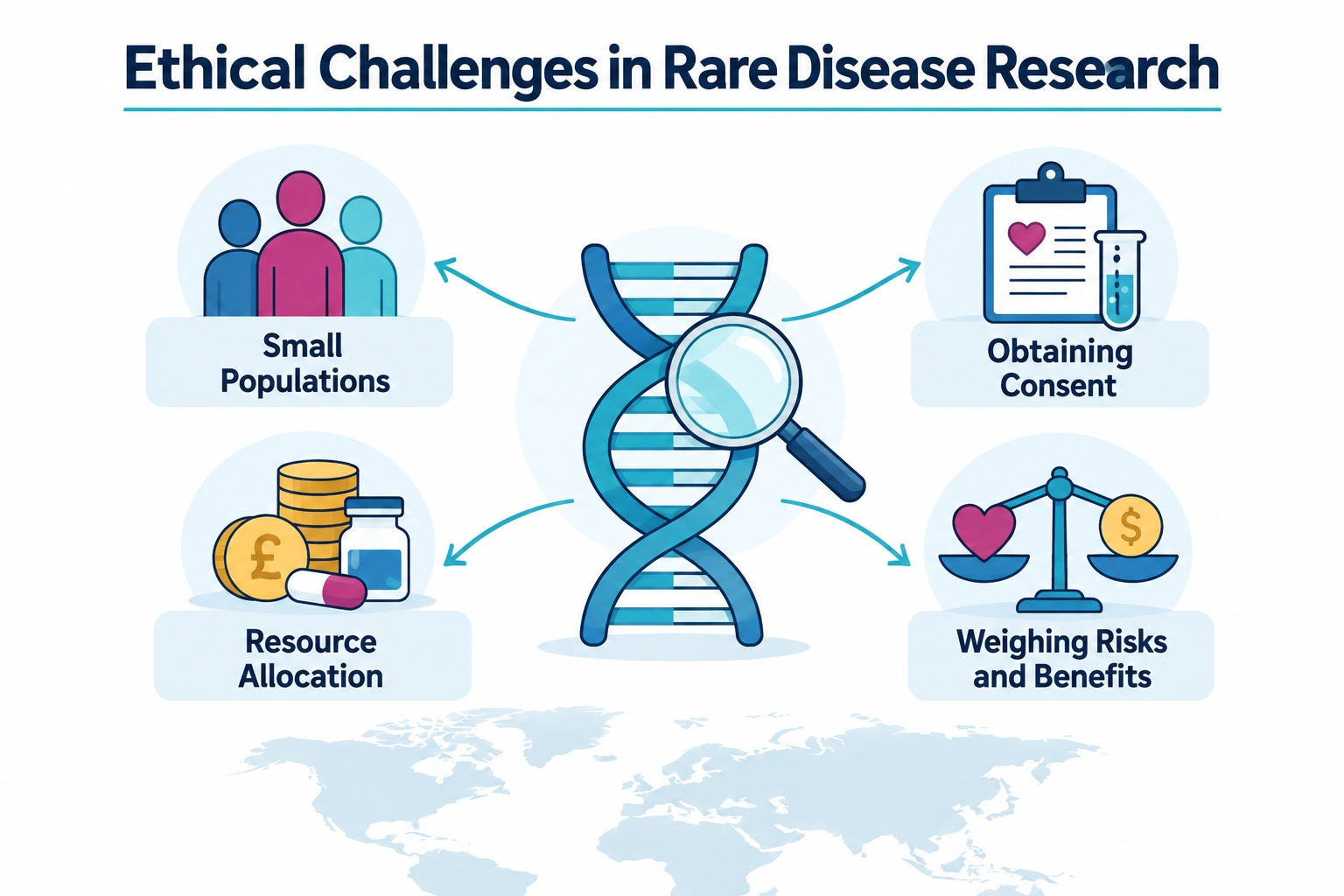 Ethical Challenges In Rare Disease Research
Learn how rare disease research challenges traditional ethics, including issues around patient recruitment, vulnerability, and regulatory oversight.
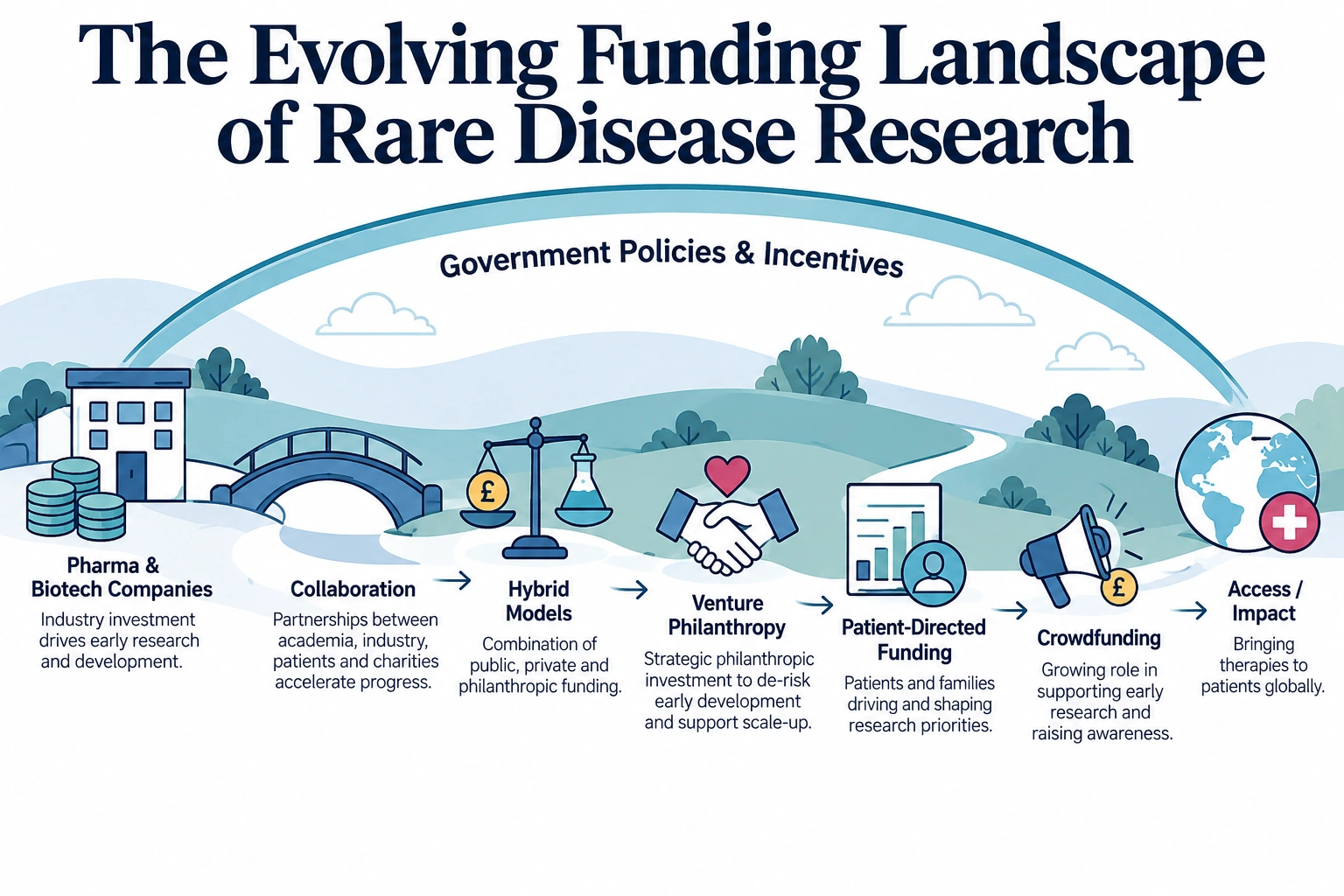 From Challenges to Innovation: The Evolving Landscape of Rare Disease Funding
Rare disease research faces funding challenges. Explore how global incentives, industry investment and patient-led initiatives drive innovation.
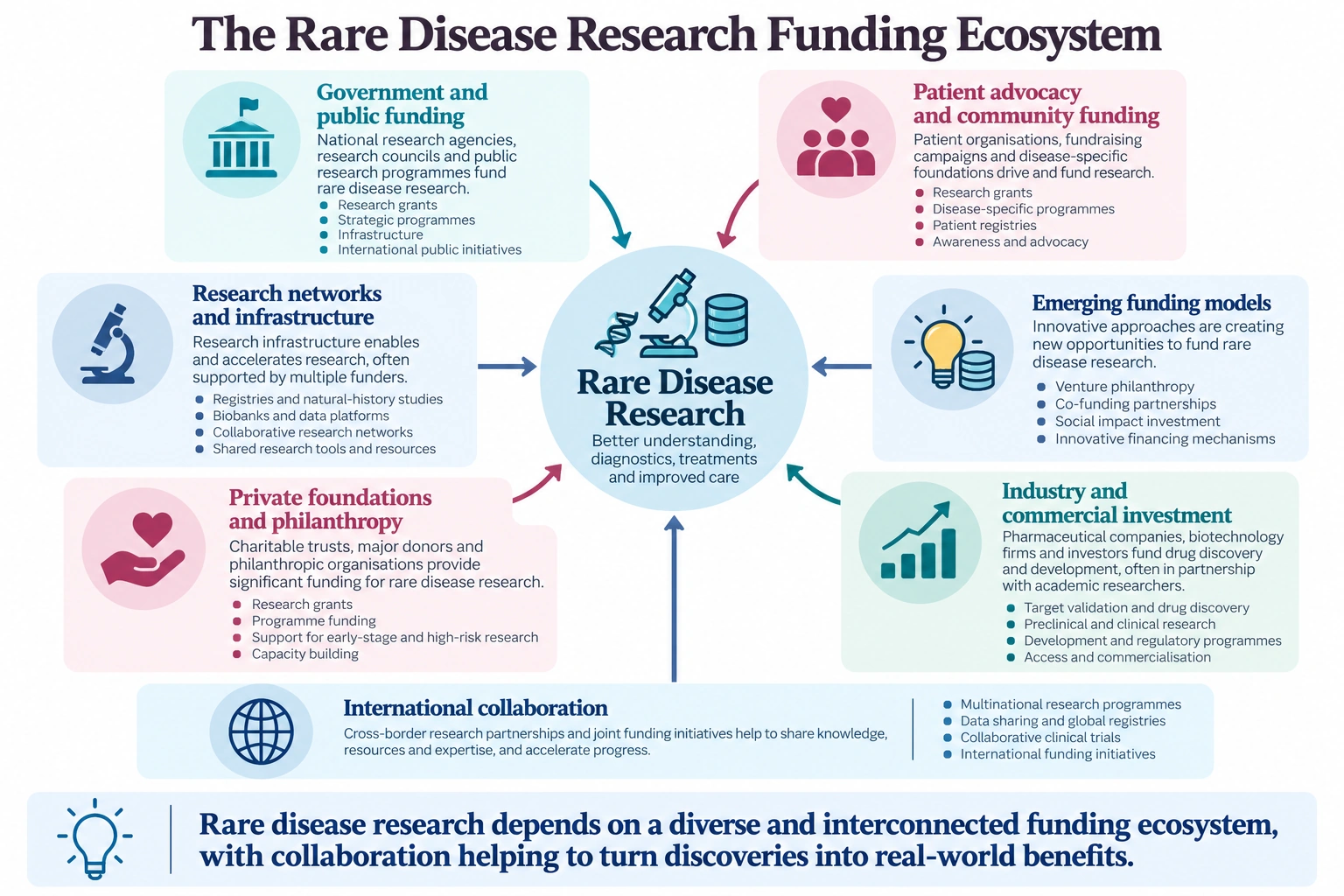 How Rare Disease Research Is Funded
Rare disease research funding is limited but creative. Discover government grants, patient-led support, international alliances, networks, and emerging models driving progress for 7,000+ conditions.