
Understand the challenges rare disease young patients face when transitioning to adult care and why preparation should begin in early adolescence.
Understanding rare disease science and policy should not require a degree in genetics or medicine. The Explainer Library has been created to help every reader follow essential concepts with confidence. Each guide is short, plain language, and focused on one topic at a time. The aim is to remove confusion, reduce technical barriers, and support informed reading across all sections of Rare Disease Watch.
You will find clear explanations of topics such as the meaning of a rare disease, how genetic testing works, why some conditions run in families, how clinical research is designed, and what terms like prevalence, biomarkers, and endpoints actually signify in practice. These resources are written to support patients, families, researchers, students, and anyone curious about this complex field.
New explainers are added regularly and updated as understanding evolves. Readers can browse individual topics or search for the concepts they want to explore further.
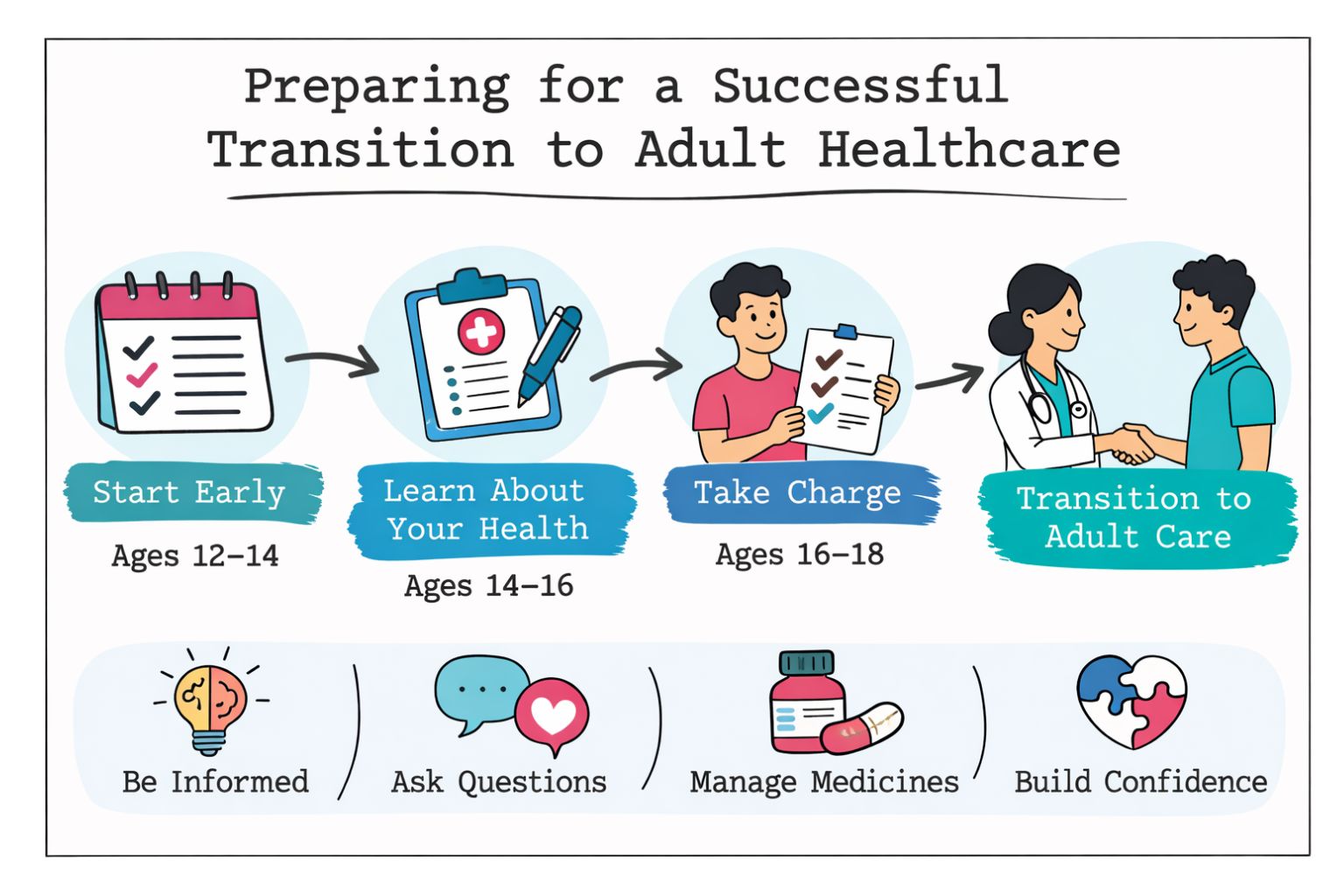 Transitioning From Paediatric To Adult Care:Preparing Early
Understand the challenges rare disease young patients face when transitioning to adult care and why preparation should begin in early adolescence.
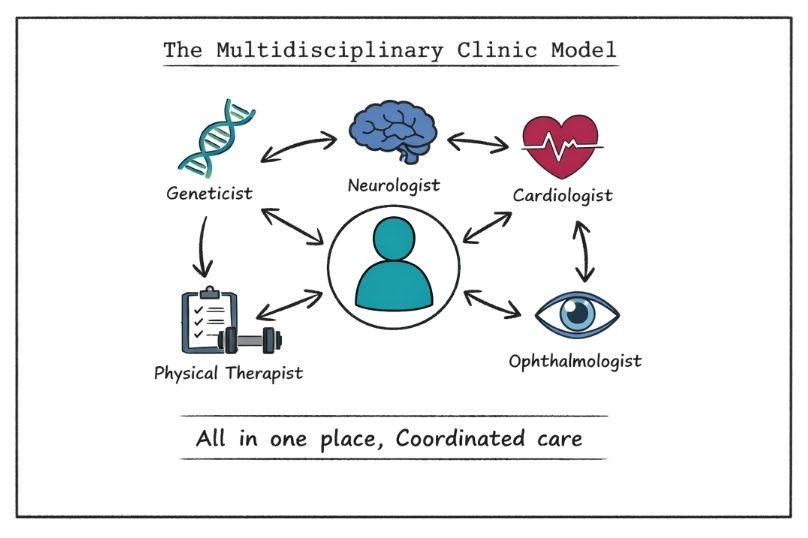 Understanding Multidisciplinary Clinics for Rare Diseases
Multidisciplinary clinics for rare diseases unite specialists from different fields to collaborate on diagnosis and treatment, helping patients receive faster answers, coordinated care, and access to advanced therapies."
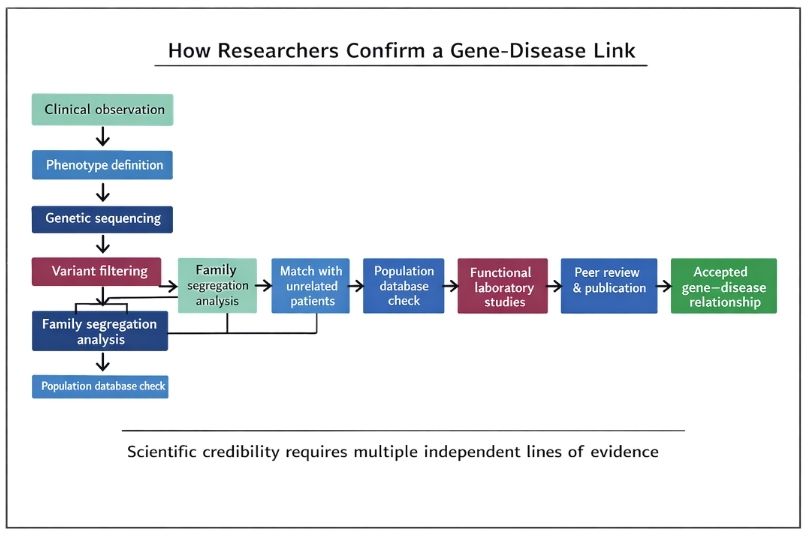 How Researchers Confirm a Link Between a Gene and a Disease
How researchers prove that a gene causes a disease. A clear guide to the scientific methodology, evidence standards, and validation process used in rare disease research.
 Why Rare Disease Treatments Take Longer To Reach Patients
For millions living with rare diseases, effective treatments remain out of reach. Learn why drug development takes longer for rare conditions and how innovation is starting to close the gap.
 What Prevalence and Incidence Mean and Why the Difference Matters
Understanding the difference between prevalence and incidence is key to interpreting health data, planning care, and supporting rare disease communities.
 How Rare Disease Research Is Funded
Rare disease research funding is limited but creative. Discover government grants, patient-led support, international alliances, networks, and emerging models driving progress for 7,000+ conditions.
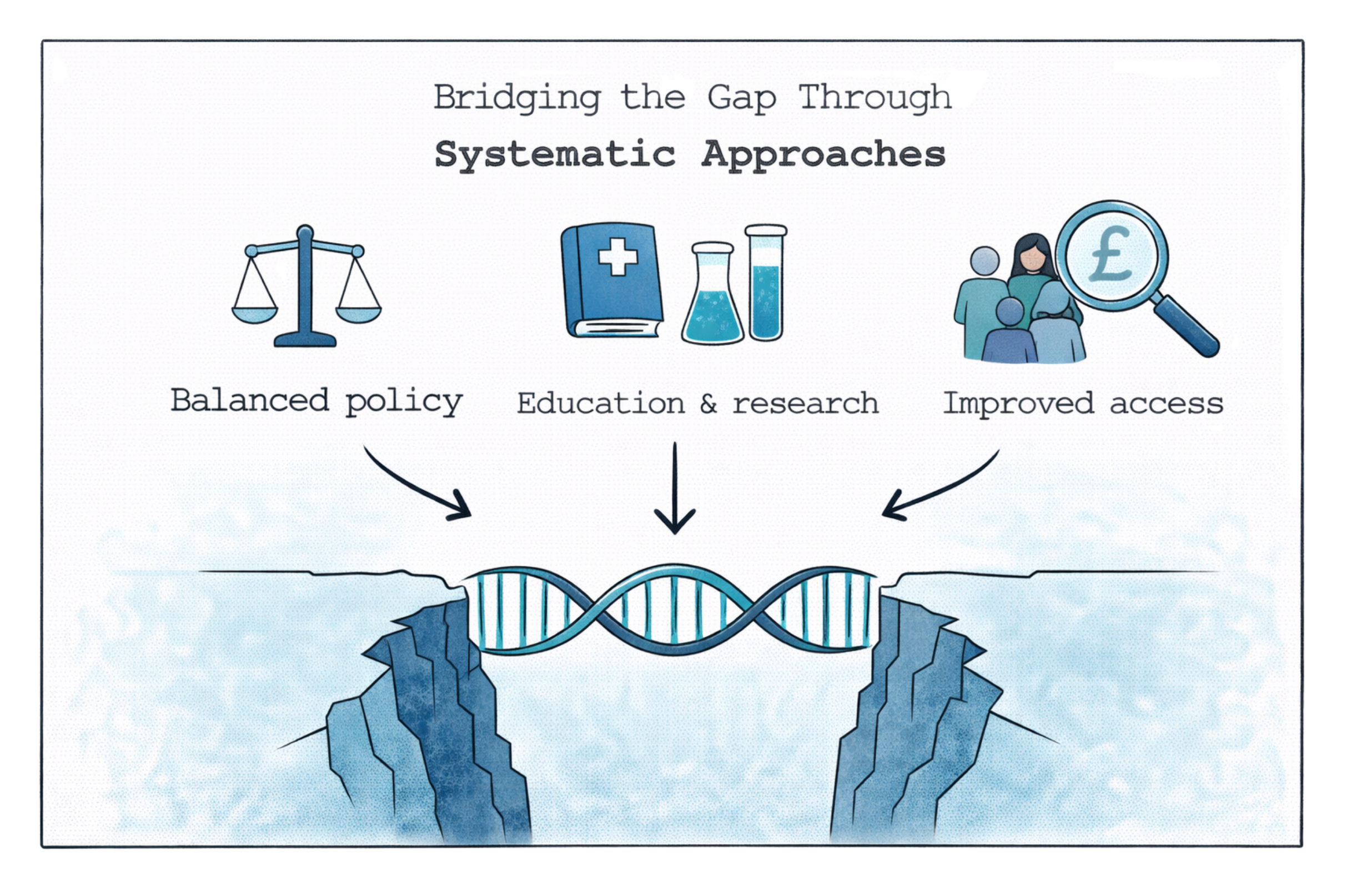 Why Awareness Does Not Always Mean Understanding
Why is awareness not enough in rare diseases? See the gap between visibility and understanding, and its impact on diagnosis, care, and research.
 What a New Gene Discovery Actually Means
Gene discoveries are often misunderstood. Learn what a new gene finding really means for diagnosis, research, and patient care in rare diseases.
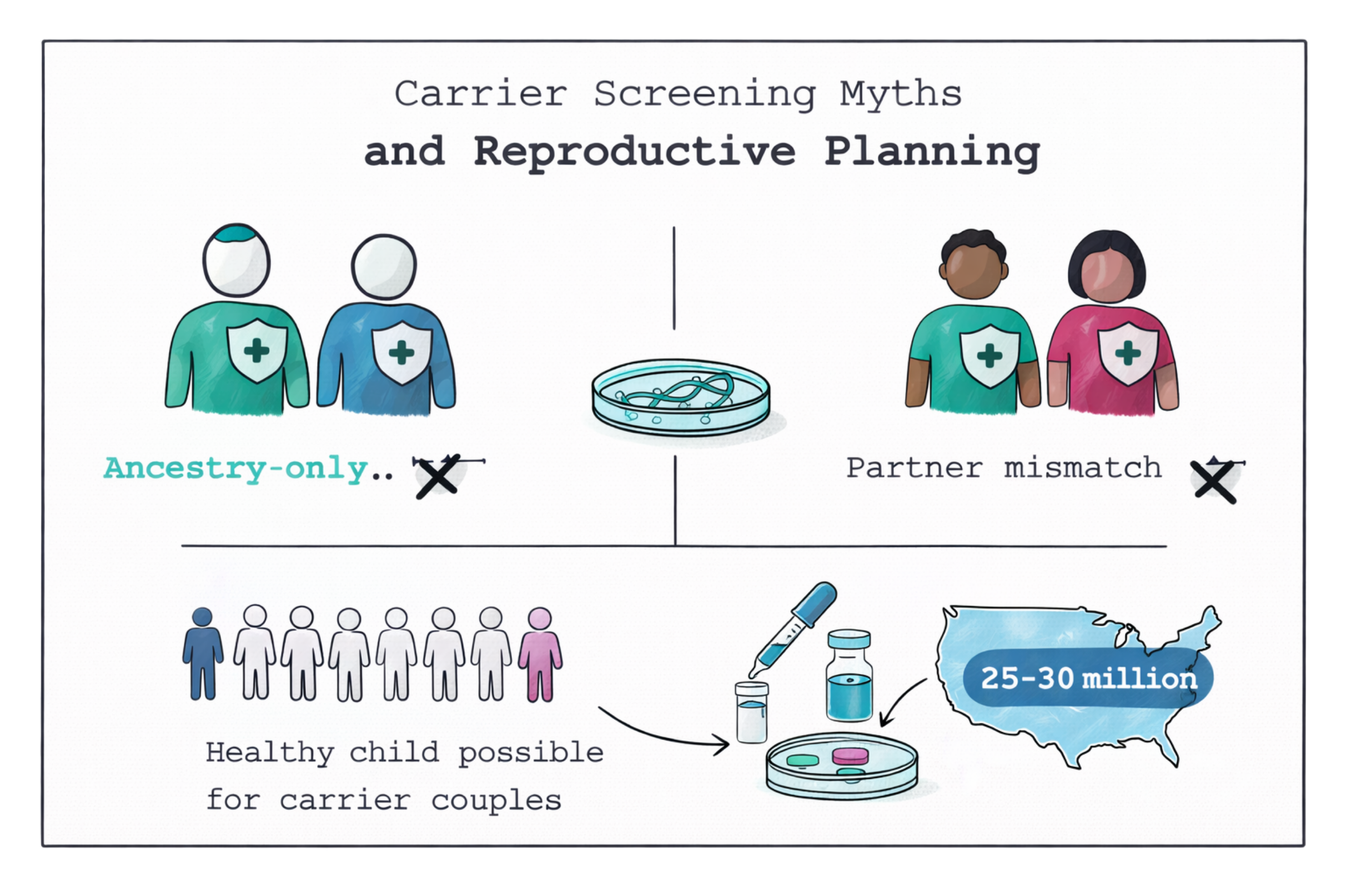 Common Misconceptions About Rare Diseases
Rare diseases affect millions worldwide. Let's explore common misconceptions about genetics, treatment access, research, and public health.
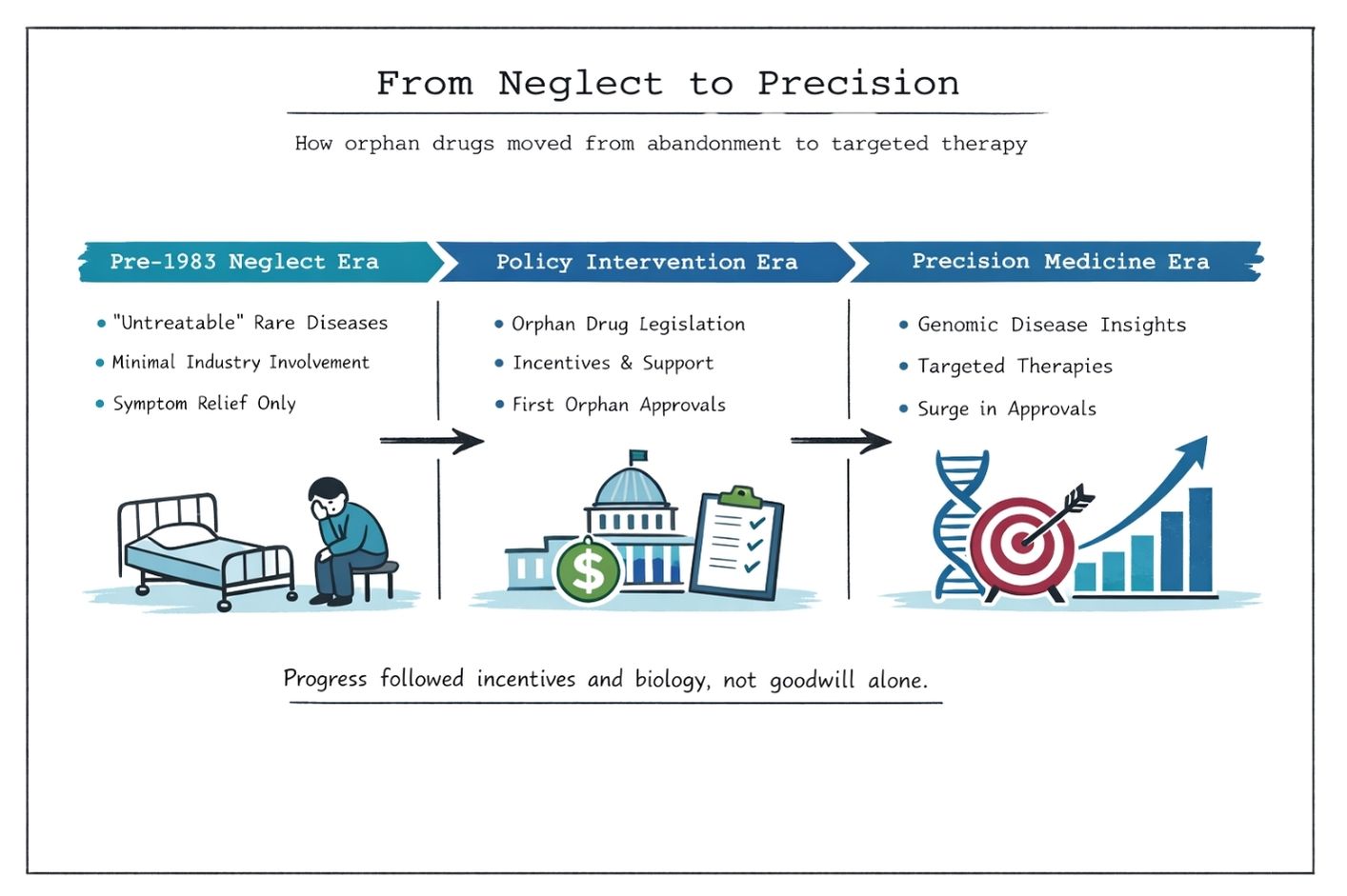 Orphan Drugs: From Neglect to Precision Medicine
Although orphan drug legislation and genomic science have transformed the therapeutic landscape for rare diseases, the path from scientific discovery to patient access remains complex and uncertain.