Rare diseases occupy a unique space in healthcare where limited familiarity breeds widespread misconceptions. These misunderstandings affect everything from public perception to research funding, patient care decisions, and family planning choices. While individual rare diseases may affect small populations, the collective impact and complexity of this field demands accurate understanding.
The persistence of these misconceptions stems partly from the terminology itself. When something is labeled "rare," the natural assumption is that it has minimal relevance to most people's lives. This fundamental misunderstanding cascades into numerous other misconceptions that can have real consequences for patients, families, and healthcare systems.
The most pervasive misconception centers on scale. Approximately 1 in 10 Americans: roughly 25 to 30 million individuals: lives with a rare disease. This statistic challenges the intuitive understanding of what "rare" means in medical contexts.
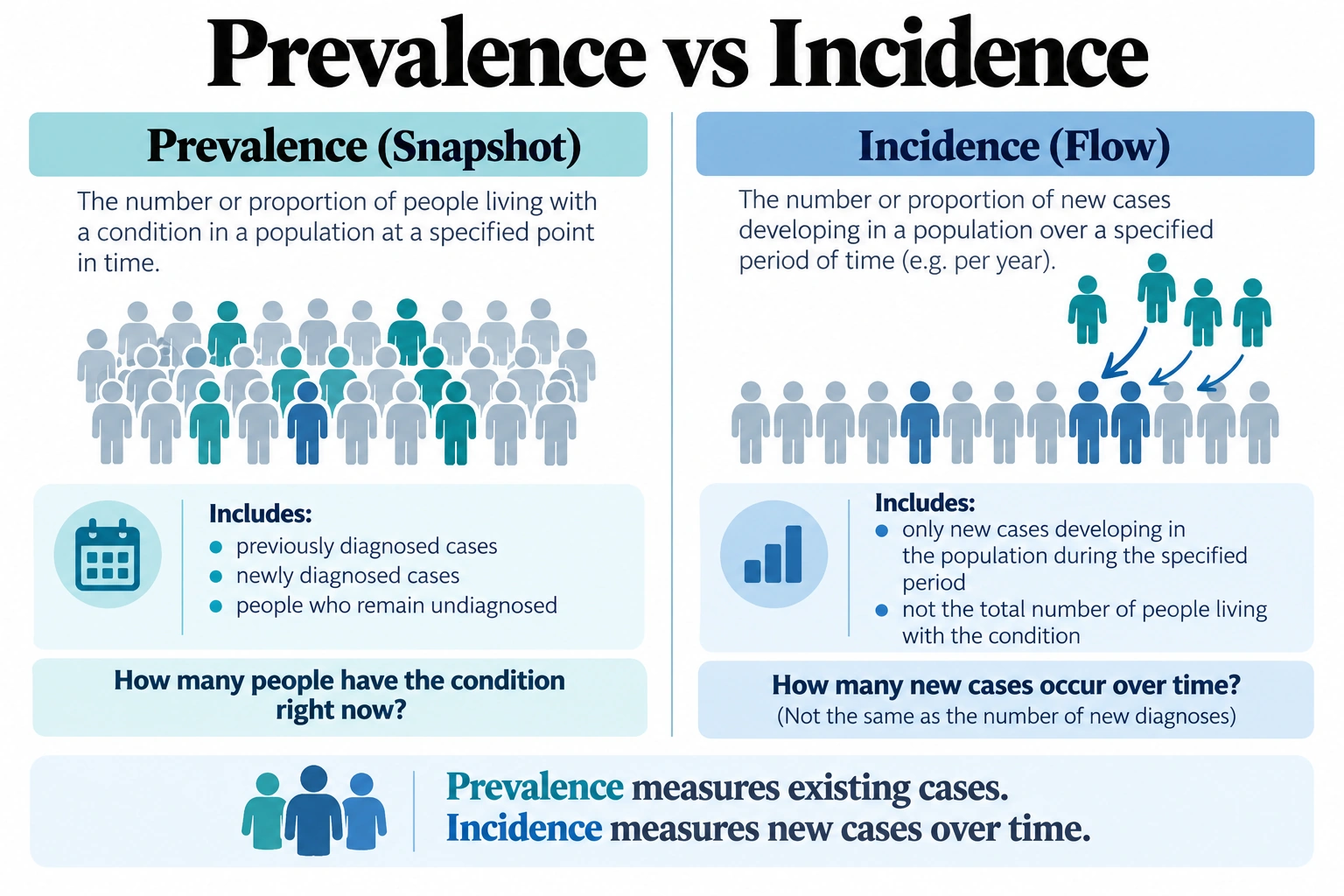
The confusion arises from how rare diseases are defined. In the United States, a condition is considered rare when it affects fewer than 200,000 people at any given time. The European Union sets the threshold at fewer than 1 in 2,000 people. While these individual disease prevalence rates justify the "rare" designation, the collective impact tells a different story.

Globally, an estimated 350 million people live with one of the approximately 7,000 identified rare diseases. This population would constitute the third-largest country in the world, larger than the United States. The mathematical reality is that while each condition is individually uncommon, their cumulative effect creates a significant public health challenge.
The misconception extends to healthcare planning and resource allocation. Policy makers and healthcare systems sometimes deprioritize rare disease initiatives based on the assumption that few people will benefit. This thinking fails to account for the substantial aggregate patient population requiring specialized care, research, and treatment options.
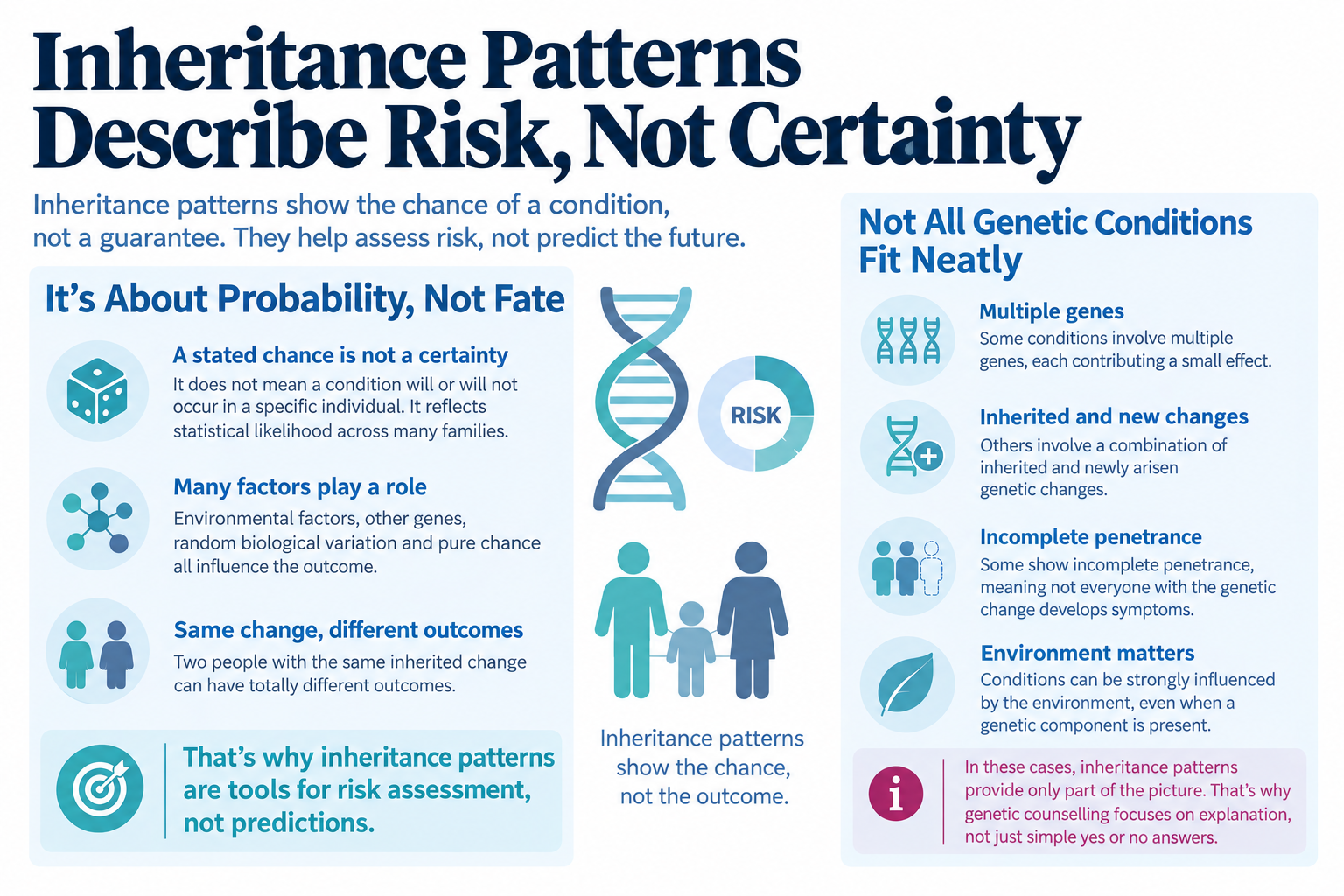
More than 80% of rare diseases have genetic origins, yet significant misconceptions persist about how these conditions manifest and are inherited. The most common myth suggests that genetic diseases are always immediately recognizable through visible symptoms or physical characteristics.
Many genetic rare diseases remain invisible until specific triggers occur or symptoms gradually develop. Genetic cardiomyopathies, for example, may present no outward signs until a cardiac event occurs during physical stress. Conversely, some neurometabolic disorders may appear as typical development initially, with symptoms emerging months or years later as affected metabolic pathways become increasingly strained.
The inheritance pattern misconception assumes genetic diseases affect males and females equally. Reality proves far more complex. X-linked conditions predominantly affect males, while some autosomal conditions show gender-specific penetrance patterns. Rett syndrome, caused by mutations in the MECP2 gene on the X chromosome, primarily affects females because the condition is usually lethal in males during early development.
Genetic carrier screening has generated numerous misconceptions that can significantly impact reproductive decision-making. These myths often stem from historical associations between certain genetic conditions and specific populations.
The "ancestry-only" misconception suggests that carrier screening applies primarily to individuals of Ashkenazi Jewish descent. While certain populations do carry higher frequencies of specific genetic mutations; such as Tay-Sachs disease in Ashkenazi Jewish communities, everyone can be a carrier for various genetic conditions regardless of ethnic background.
Extended carrier screening panels now test for hundreds of conditions affecting diverse populations. Cystic fibrosis, spinal muscular atrophy, and fragile X syndrome occur across all ethnic groups, though at varying frequencies. The American College of Obstetricians and Gynecologists now recommends expanded carrier screening options for all individuals planning pregnancy, regardless of family history or ethnicity.

The "partner mismatch" myth suggests that genetic carrier testing is unnecessary when partners come from different ethnic backgrounds. This misconception fails to recognize that genetic mutations occur spontaneously and spread through populations over generations, regardless of ethnic boundaries.
Perhaps the most concerning misconception involves reproductive options for carrier couples. Discovering that both partners carry the same genetic mutation does not eliminate the possibility of having healthy children. Modern reproductive technologies, including preimplantation genetic testing, prenatal diagnosis, and increasingly effective treatments for many rare genetic diseases, provide multiple pathways for family building.
The pharmaceutical landscape surrounding rare diseases generates its own set of misconceptions, particularly regarding orphan drugs and treatment availability. The term "orphan drug" itself can be misleading, suggesting abandonment or lack of commercial interest.
The Orphan Drug Act of 1983 created incentives for pharmaceutical companies to develop treatments for rare diseases, leading to more than 800 approved orphan drug designations. This success challenges the misconception that rare diseases lack treatment options. While therapeutic gaps remain significant, the pace of orphan drug development has accelerated substantially over recent decades.
Cost-related misconceptions also persist. Critics often cite orphan drugs as major contributors to healthcare inflation, but this oversimplifies the economic reality. Not all orphan drugs are high-cost specialty medications, and the relationship between orphan drug pricing and overall healthcare spending is more nuanced than commonly portrayed.
The confusion between specialty drugs and orphan drugs represents another widespread misconception. Specialty drugs are defined by special handling, storage, or administration requirements, while orphan drugs are medications developed for rare diseases. Some orphan drugs are also specialty drugs, but the categories are not synonymous.
A fundamental misconception suggests that rare disease research has limited public health relevance because of small patient populations. This perspective fails to recognize the broader scientific value of studying rare conditions and their contribution to understanding human biology and disease mechanisms.
Rare disease research has produced insights that benefit common disease understanding. Studies of familial hypercholesterolemia, a rare genetic condition, led to the development of statins, now among the most widely prescribed medications worldwide. Research into rare bleeding disorders contributed to advances in hemophilia treatment and general hemostasis understanding.
The "genetic determinism" misconception suggests that rare diseases are purely genetic problems with little environmental interaction. While many rare diseases have strong genetic components, environmental factors, lifestyle modifications, and therapeutic interventions can significantly influence disease progression and outcomes.

Gene therapy successes in rare diseases are pioneering techniques that may eventually treat more common conditions. The first approved gene therapies targeted rare diseases partly because of clearer genetic causation and smaller patient populations for clinical trials, but these advances are laying groundwork for broader therapeutic applications.
Media coverage of rare diseases often perpetuates misconceptions through oversimplification or sensationalization. Stories may focus on extremely unusual cases while ignoring the broader rare disease community, creating skewed public perceptions about prevalence and impact.
The "inspiration narrative" misconception portrays rare disease patients primarily through the lens of exceptional achievement despite adversity. While individual stories of resilience deserve recognition, this framing can inadvertently minimize the real challenges patients face and the systemic changes needed to improve care access and quality.
Awareness campaigns sometimes generate the misconception that increased public knowledge automatically translates to improved outcomes for patients. While awareness is valuable, it does not necessarily lead to increased research funding, better diagnostic capabilities, or improved treatment access without coordinated advocacy and policy efforts.
Understanding rare diseases requires moving beyond superficial categorizations and recognizing the complex realities these conditions present. The misconceptions surrounding rare diseases often reflect broader challenges in health communication, medical education, and public health policy.
Accurate information about rare diseases benefits not only affected patients and families but also healthcare professionals, researchers, and policymakers working to address these complex conditions. As the field of rare disease research continues advancing through improved genetic technologies, expanded therapeutic options, and enhanced diagnostic capabilities, dispelling persistent misconceptions becomes increasingly important for maximizing these scientific advances' potential benefits.
The rare disease community represents a significant population deserving accurate representation, adequate research investment, and appropriate therapeutic attention. Moving beyond misconceptions toward evidence-based understanding creates the foundation for meaningful progress in rare disease research, care delivery, and policy development.