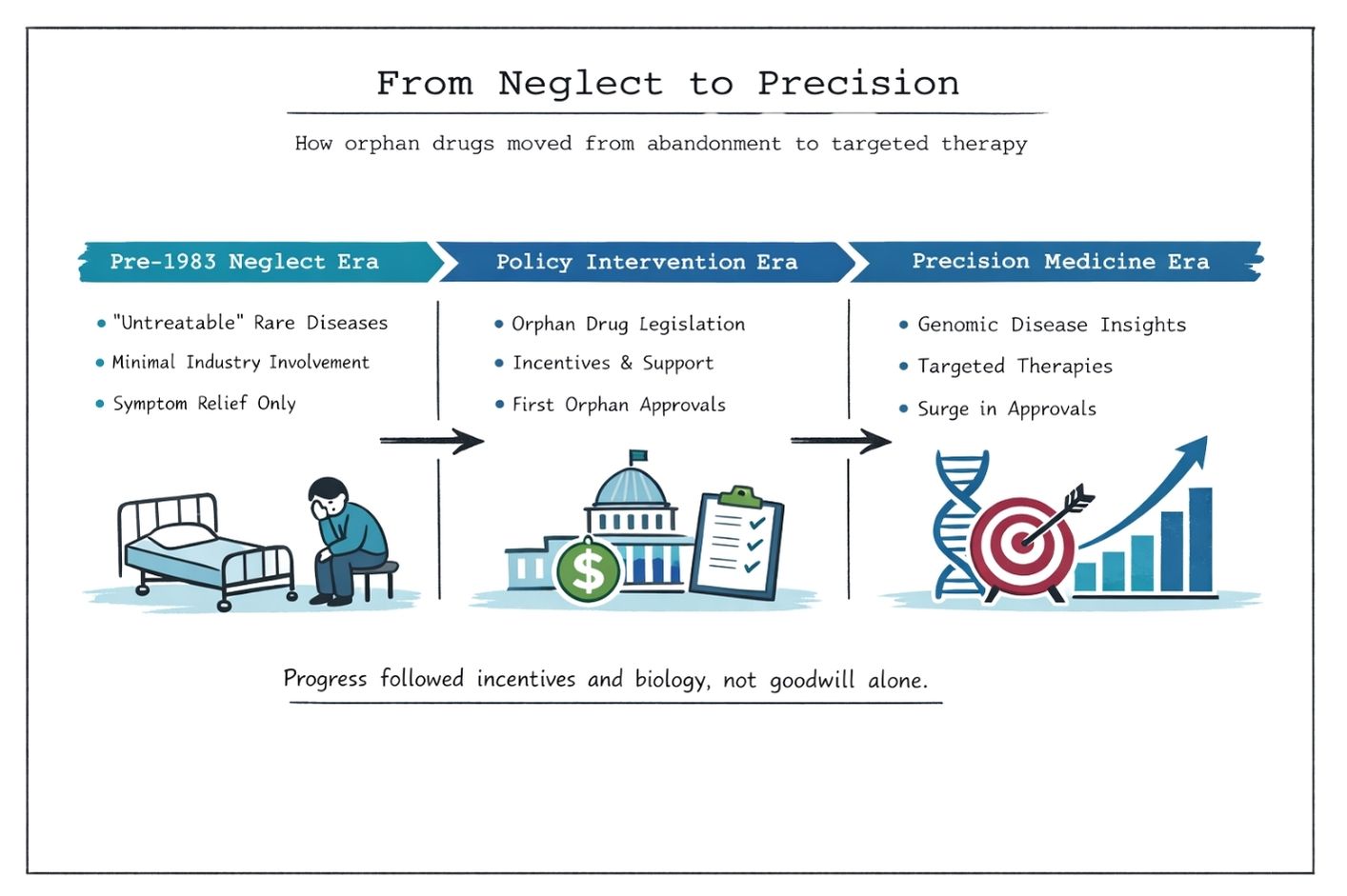
Estimating how many rare diseases exist might seem like a straightforward question, but the answer is far more complex than it appears. New conditions are discovered every year, existing conditions are reclassified as more is learned about them, and many disorders are so uncommon that only a handful of cases are ever reported. Despite this complexity, one message is clear. Rare diseases are individually uncommon, yet collectively significant, representing one of the largest unmet medical needs in global healthcare.
This article examines how rare diseases are counted, why estimates vary, and what current data tell us about the true scale of rare conditions worldwide. It also explores how advances in genomics, digital health, and international collaboration are reshaping our understanding of prevalence and driving improved diagnosis and research.
Before looking at the numbers, it is important to understand how rare diseases are defined. There is no single global definition.
A condition is considered rare if it affects fewer than one in two thousand people.
The Rare Disease Act defines a rare disease as one affecting fewer than two hundred thousand people in the country.
Japan defines a rare disease as affecting fewer than fifty thousand citizens.
Australia uses a threshold of one in ten thousand people.
While these definitions differ, all aim to capture the same concept. A rare disease is one that affects a very small proportion of the population, often with low awareness, limited research, and few specific treatments.
The most widely cited estimate is that there are between seven thousand and ten thousand rare diseases worldwide. This range is used by research bodies, regulators, patient organisations, and global health groups.
Why such a wide range? There are several reasons.
Advances in genomic sequencing have led to the rapid discovery of new conditions. In paediatric genetics alone, researchers identify several previously unknown disorders each year.
Rare diseases may be misdiagnosed or never diagnosed at all. Small case numbers make them difficult to study, and some conditions are known from only a few case reports in scientific literature.
What was once thought to be a single disease may later be reclassified as multiple different disorders. Conversely, conditions that appear different may eventually be found to share the same genetic or molecular cause.
Different countries collect data in different ways. Some have national rare disease registries, while others rely on scattered medical literature, making global aggregation challenging.
Despite these variations, the seven thousand to ten thousand range remains the most reliable estimate available.
While each rare disease affects a relatively small number of people, the combined impact is substantial.
More than thirty million people are estimated to live with a rare disease.
Roughly twenty five to thirty million people are affected.
Global estimates suggest three hundred million people live with a rare condition.
These numbers reveal an important truth. Rare diseases are uncommon individually, but collectively common. This collective prevalence is comparable to major public health challenges such as diabetes and cancer.
Genetics plays a dominant role in the rare disease landscape.
It is estimated that about eighty percent of rare diseases are genetic in origin. Many are caused by mutations in a single gene, making them part of a broader group known as monogenic disorders.
Genetic rare diseases frequently appear early in life. Roughly half of children with a rare disease present symptoms in childhood, and many require specialist care throughout their lives.
Genetic mutations can also occur spontaneously, meaning a condition may appear in a family with no prior history. This can make diagnosis more difficult.
Cystic fibrosis, Duchenne muscular dystrophy, and Rett syndrome are among the more widely known.
Conditions such as Fabry disease or Gaucher disease arise from enzyme deficiencies that affect how the body processes certain substances.
These include Huntington disease, ataxias, and rare epilepsies.
Examples include Behçet disease and neuromyelitis optica.
Many childhood cancers fall into this category, along with sarcomas and certain leukaemias.
Some disorders are so rare they are known as “ultra rare,” affecting only a few individuals worldwide.
Even with advances in data collection, several challenges persist.
A condition affecting only one in a million people may go undetected for years in smaller countries or regions.
Rare diseases often have multiple names, depending on the research group, country, or clinician. This complicates databases and classification.
Some countries maintain comprehensive rare disease registries, while others do not track these data formally. This leads to significant gaps.
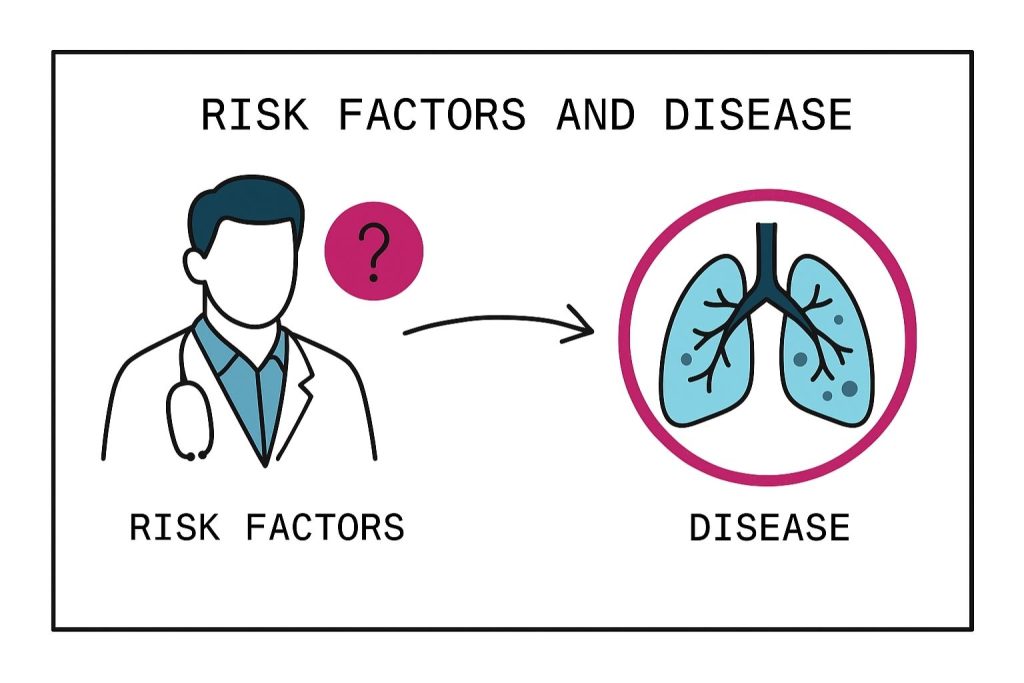
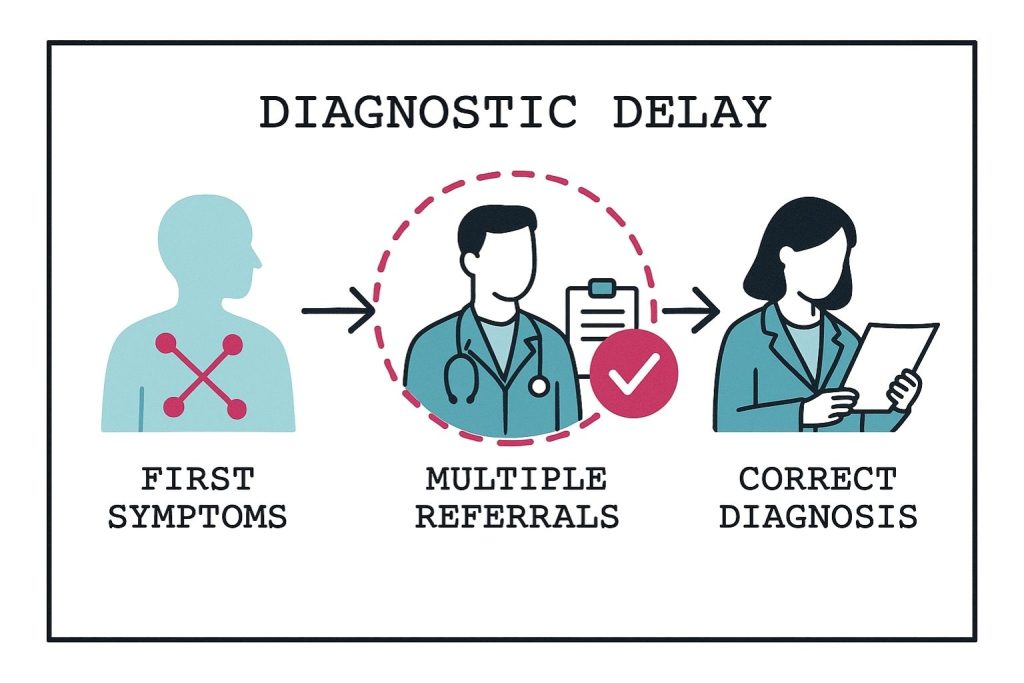
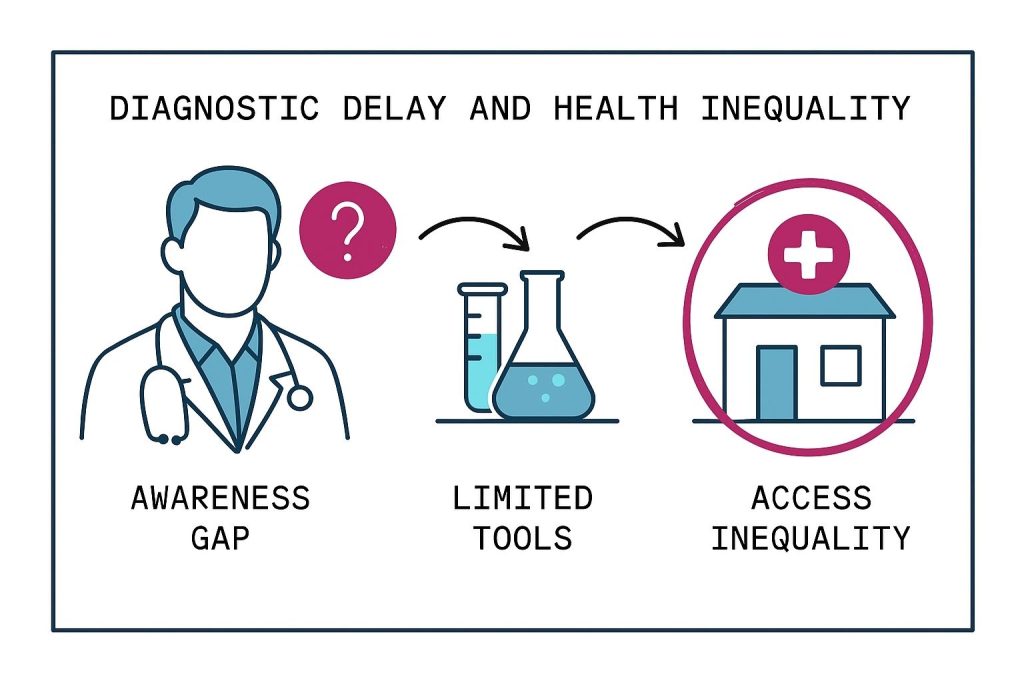
Symptoms of rare diseases often overlap with common conditions. Without specialist knowledge or access to testing, diagnosis may be delayed or missed entirely.
Healthcare professionals may have limited exposure to rare diseases during training, reinforcing diagnostic challenges.
Genomic sequencing is transforming our understanding of rare diseases.
Whole-genome and whole-exome sequencing allow researchers to identify genetic variants quickly. This has led to the discovery of hundreds of previously unknown disorders over the past decade.
Genomics reveals links between conditions that once seemed unrelated, refining how diseases are categorised and understood.
As the mechanisms behind rare diseases become clearer, opportunities emerge for personalised therapies, including gene therapy and RNA-based treatments.
Natural history data describes how a disease progresses over time, without intervention. For many rare diseases, this information is scarce or entirely absent.
Understanding natural history is essential because:
Global efforts are now underway to collect these data systematically.
Addressing rare diseases requires global cooperation. Several major initiatives have emerged to support this.
Aims to accelerate the development of treatments and improve diagnosis.
Focuses on shortening the time to diagnosis using technology, policy change, and education.
Organisations and research networks are working to create consistent, high-quality data sources that improve understanding and support clinical trials.
New tools allow patients, clinicians, and researchers to share data securely across borders, driving faster progress.
Knowing how many rare diseases exist is not simply an academic exercise. Accurate data drives better healthcare policy, resource allocation, and investment in research. It helps clinicians understand the breadth of rare conditions and encourages earlier consideration of rare disease diagnoses. For families and individuals affected, clearer numbers reinforce the scale of global need and highlight the importance of continued advocacy and innovation.
From drug development to clinical guidelines and international collaboration, accurate understanding of prevalence helps shape more equitable healthcare systems.
Although thousands of rare diseases have been identified, the exact number continues to evolve. Current estimates place the total between seven thousand and ten thousand, but advances in genomic sequencing and data sharing are likely to push that figure higher over time. What remains constant is the significant collective impact. Millions of people worldwide live with a rare condition, often facing delayed diagnosis, limited information, and sparse treatment options.
As global interest in rare disease research grows, understanding the true scale of these conditions is becoming increasingly important. Continued collaboration, investment, and innovation will deepen our knowledge and improve outcomes for individuals and families affected by rare diseases across the world.