Rare diseases represent one of the most complex challenges in modern healthcare, affecting millions of individuals worldwide despite their individual scarcity. These conditions collectively impact a substantial portion of the global population, but each disease affects only a small number of patients, creating unique diagnostic, therapeutic, and research challenges. Understanding how rare diseases are defined and their true prevalence across different populations forms the foundation for addressing the needs of patients, families, and healthcare systems worldwide.
The definition of what constitutes a rare disease varies significantly across different countries and regulatory bodies, reflecting diverse healthcare priorities, population sizes, and economic considerations. This variation in definitions creates important implications for research funding, drug development, and patient access to treatments.
In the United States, the Rare Diseases Act of 2002 establishes a clear numerical threshold: any disease or condition that affects fewer than 200,000 people in the United States qualifies as rare. This translates to approximately 1 in 1,500 people. This definition builds upon the earlier Orphan Drug Act of 1983, which was specifically designed to incentivize pharmaceutical companies to develop treatments for conditions that would otherwise lack commercial viability due to small patient populations.
The European Commission takes a more nuanced approach, defining rare diseases as "life-threatening or chronically debilitating diseases which are of such low prevalence that special combined efforts are needed to address them." In practical terms, this means fewer than 5 per 10,000 people, or approximately 1 in 2,000 people in the EU community. This definition is notable for including qualitative criteria beyond mere prevalence numbers, emphasizing the severity and debilitating nature of the conditions.

Other major economies and health organizations have established their own thresholds:
These varying standards demonstrate that a condition considered rare in one country may not meet the threshold in another, affecting everything from research priorities to treatment availability.
While the terms "rare disease" and "orphan disease" are frequently used interchangeably, they represent distinct concepts that are important to understand. A rare disease is defined purely by its low prevalence in the population, meeting the numerical thresholds established by various regulatory bodies.
An orphan disease, by contrast, refers to a rare disease that receives little or no research attention or funding, typically due to the lack of financial incentives from governments or pharmaceutical companies. This distinction is crucial because some rare diseases may receive substantial research investment and have multiple treatment options, while some orphan diseases might not be particularly rare but still lack adequate research attention due to economic factors or other barriers.
Despite the individual rarity of these conditions, rare diseases collectively represent a significant public health concern. The numbers reveal the true scope of this challenge:
In the United States alone, an estimated 25 to 30 million Americans are living with a rare disease. This figure represents nearly 10% of the U.S. population. Similarly, in the European Union, between 27 and 36 million people are affected by rare diseases, accounting for approximately 6-8% of the EU population.
The total number of distinct rare diseases continues to grow as medical knowledge advances and diagnostic capabilities improve. Current estimates suggest there are between 6,000 and 10,000 distinct rare diseases worldwide, though some sources indicate the number may exceed 10,000. The variation in these estimates reflects differences in disease classification systems, ongoing discoveries of new conditions, and evolving understanding of genetic variations.

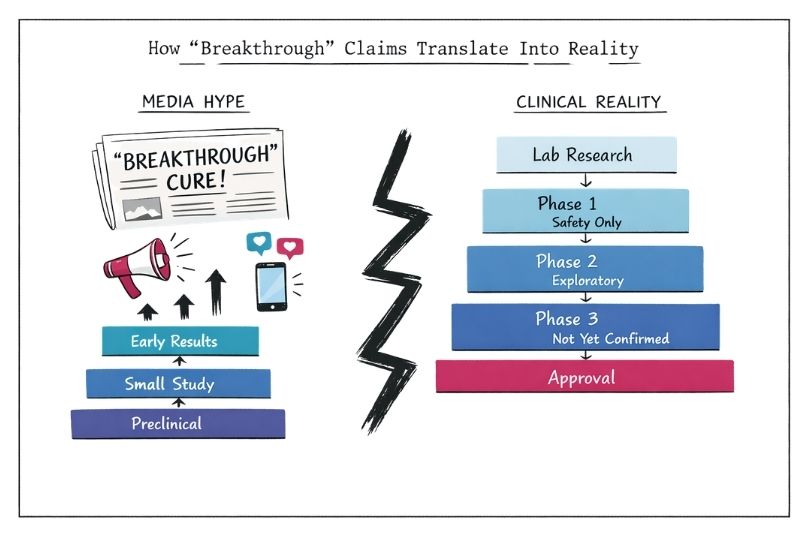
Perhaps most concerning is the treatment gap: only approximately 400 of these thousands of rare diseases currently have approved therapies, leaving the vast majority of conditions without specific treatment options.
The genetic component of rare diseases represents one of their most significant characteristics. Research indicates that approximately 80% of rare diseases have a genetic origin, resulting from changes in a person's genes or chromosomes. These genetic rare diseases are typically present throughout a person's entire life, even when symptoms do not manifest immediately or may appear later in life.
Genetic rare diseases can be:
The remaining 20-28% of rare diseases have non-genetic origins and include:
For many rare diseases, the exact cause remains unknown, complicating both diagnostic approaches and treatment development efforts.
One of the most significant challenges facing rare disease patients is the lengthy path to accurate diagnosis. Current data indicates that 70% of people with rare diseases wait more than one year to receive a confirmed diagnosis after first seeking medical attention. This diagnostic delay occurs for several interconnected reasons:
Many rare diseases present with symptoms that can mimic more common conditions, leading healthcare providers to initially pursue more frequent diagnoses. The clinical manifestations of rare diseases often vary considerably, both between different diseases and among patients with the same condition, making standardized diagnostic protocols difficult to establish.
Given their rarity, most healthcare professionals encounter these conditions infrequently throughout their careers. This limited exposure means that rare diseases may not be immediately considered in differential diagnoses, particularly in primary care settings.

The same rare disease can present very differently in different patients, influenced by factors such as:
Rare diseases affect not only the diagnosed individual but create ripple effects throughout families, healthcare systems, and society. Understanding this broader impact is essential for developing comprehensive approaches to rare disease management.
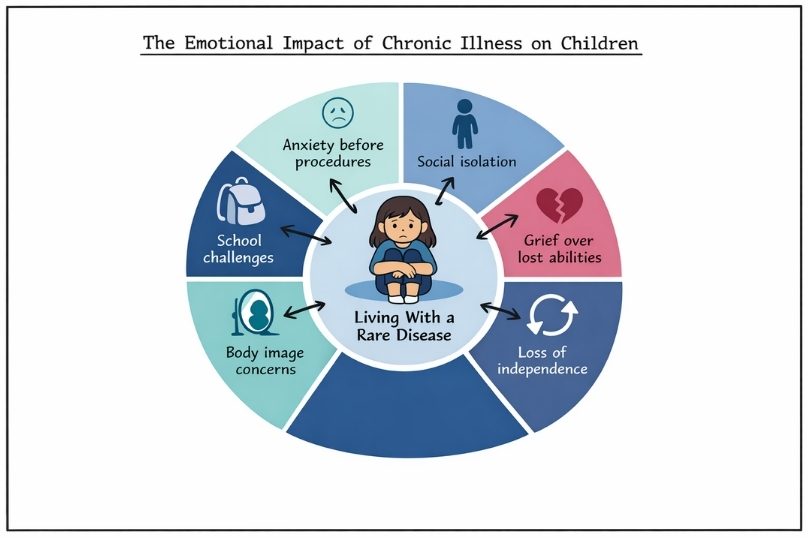
Families of rare disease patients often become expert caregivers and advocates, learning to navigate complex healthcare systems, coordinate care among multiple specialists, and manage the emotional and financial burden of chronic, progressive conditions. Many families report feeling isolated due to the rarity of their condition and the limited understanding within their communities.
Rare diseases present unique challenges to healthcare systems:
The collective impact of rare diseases on society includes:
The prognosis for rare diseases varies tremendously, but many share certain characteristics that distinguish them from more common conditions. Rare diseases are typically chronic and progressive in nature, often leading to significant disability and reduced life expectancy.
A particularly sobering statistic reveals that approximately 30% of children diagnosed with rare diseases die before reaching their fifth birthday. This high mortality rate among pediatric patients underscores the urgent need for continued research and therapeutic development.
For patients who survive into adulthood, rare diseases frequently result in:
The landscape of rare diseases continues to evolve as genetic testing becomes more accessible, diagnostic techniques improve, and our understanding of human genetics expands. While the challenges are substantial, the growing recognition of rare diseases as a collective public health priority has led to increased research funding, innovative treatment approaches, and stronger patient advocacy networks.
Understanding the definitions and prevalence of rare diseases provides the foundation for addressing the complex needs of the millions of individuals and families affected by these conditions worldwide. As the field continues to advance, the hope remains that improved diagnostics, targeted therapies, and comprehensive care approaches will transform outcomes for rare disease patients globally.