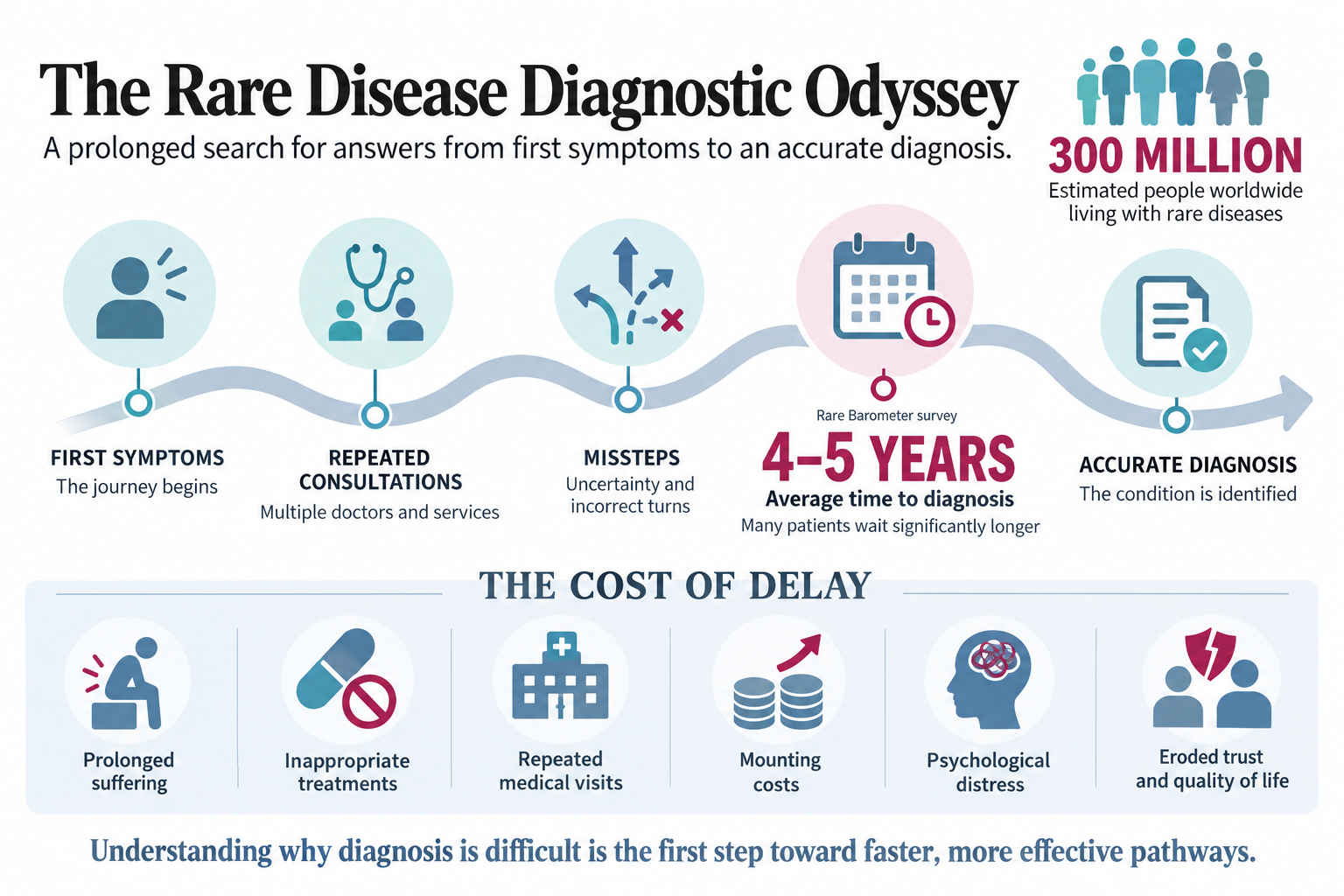
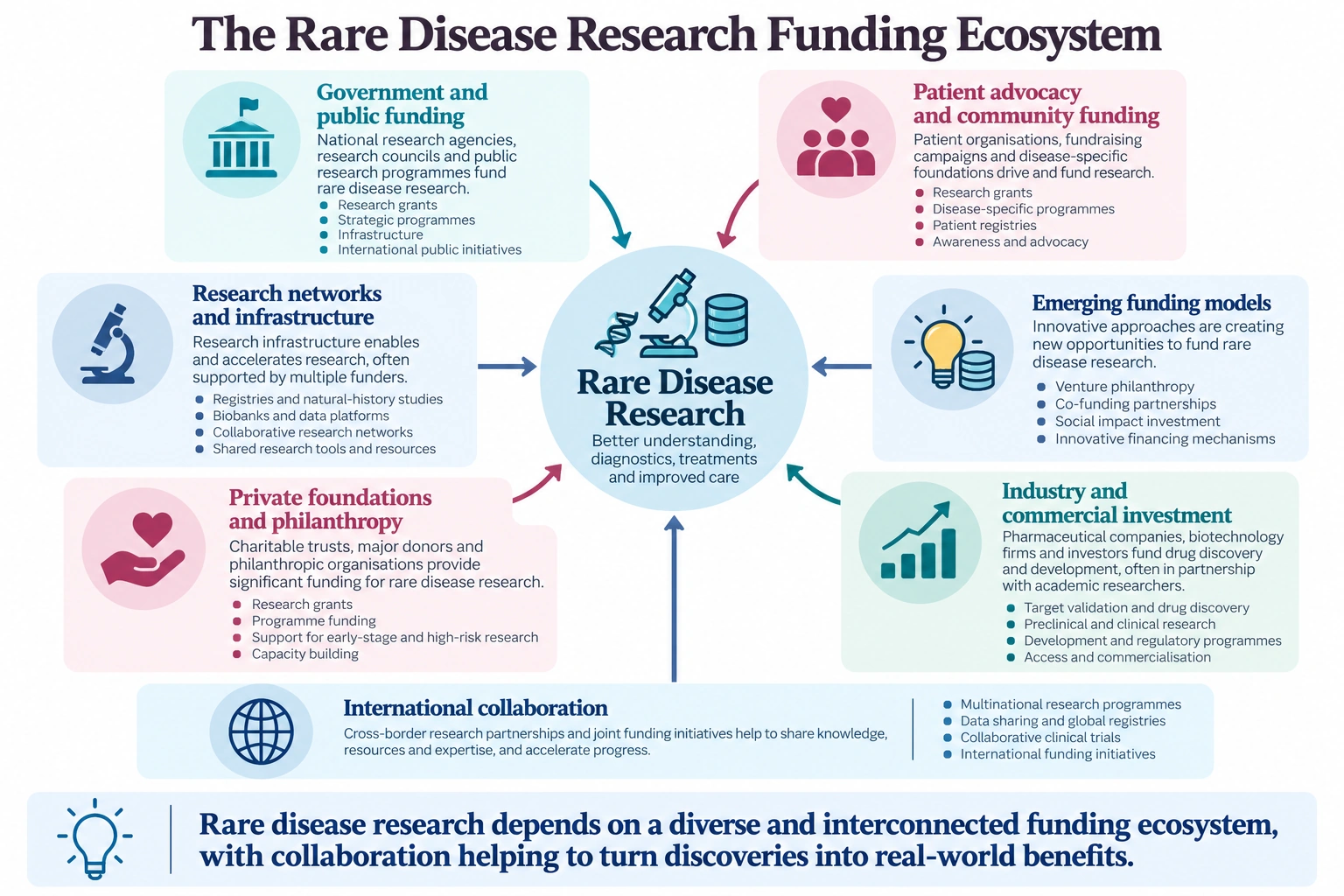
Funding for rare disease care represents a complex ecosystem involving multiple stakeholders, each contributing different resources and expertise to address the needs of approximately 300 million people worldwide living with rare conditions.
Understanding who provides financial support for rare disease research, treatment development, and patient care helps illuminate both the opportunities and challenges within this specialized healthcare sector.
The financial landscape for rare diseases differs significantly from common conditions due to smaller patient populations, limited commercial incentives, and higher research costs per patient. Despite these challenges, diverse funding sources work together to advance scientific understanding and improve patient outcomes.
The National Institutes of Health (NIH) stands as the world's largest biomedical research funder, supporting rare disease research through various institutes and centers. However, rare disease research receives less than 0.1% of the NIH's annual budget, highlighting the funding disparity compared to more common conditions.
The NIH operates multiple funding mechanisms specifically designed for rare disease research, including investigator-initiated grants, career development awards, and collaborative research programs. These funding opportunities are available to researchers globally, not exclusively within the United States.
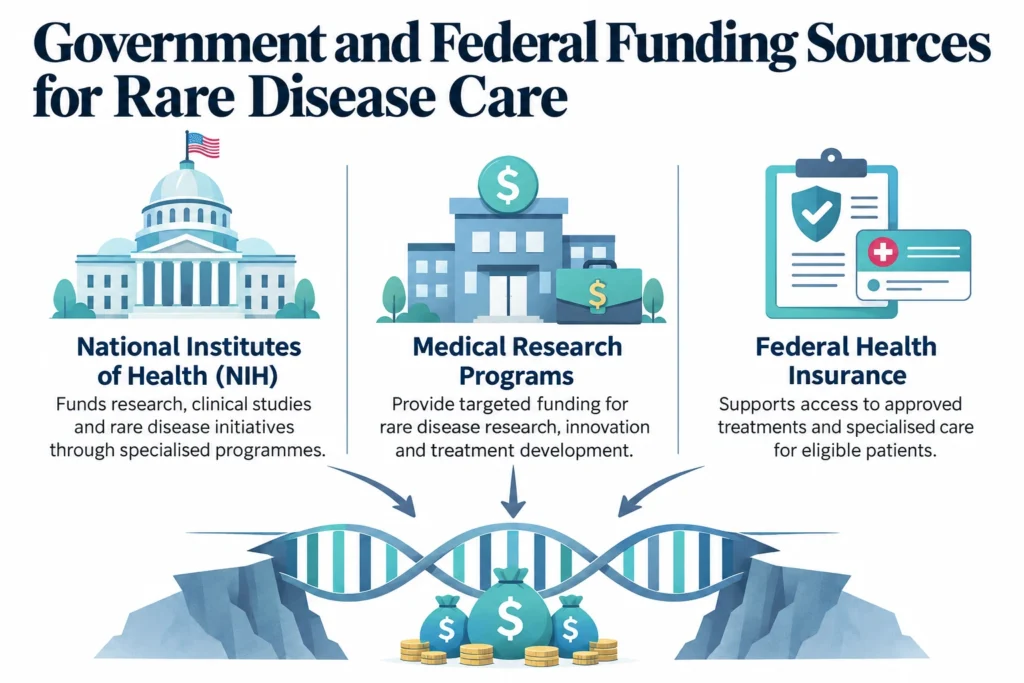
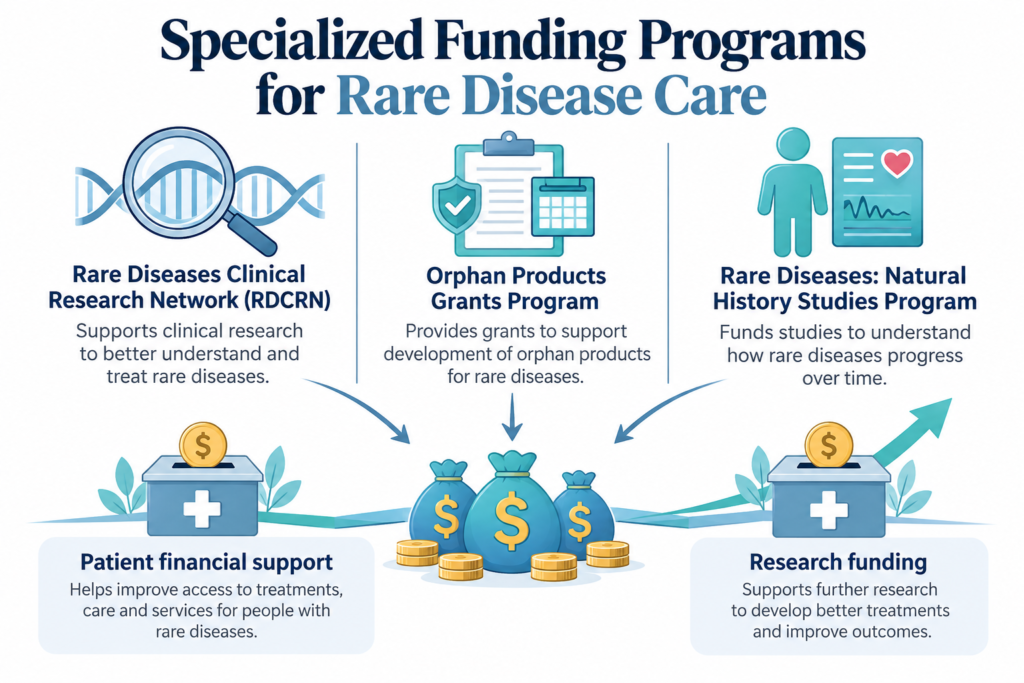
The FDA's Office of Orphan Products Development (OOPD) provides targeted funding through the Orphan Products Grants Program, which supports the development of safe and effective medical products for rare diseases. This program awards between 5 and 12 new clinical trial grants annually, focusing on drugs, devices, biologics, and medical foods.
The FDA funding typically supports clinical trials and natural history studies, providing essential data for regulatory submissions. Grant amounts vary based on study scope and duration, with awards supporting both early-stage research and late-phase clinical development.
The Congressionally Directed Medical Research Programs (CDMRP), administered by the U.S. Department of Defense, funds research for specific rare diseases, including amyotrophic lateral sclerosis, Duchenne muscular dystrophy, and various rare cancers. These programs often emerge from congressional advocacy and provide substantial multi-year funding commitments.
NORD (National Organization for Rare Disorders) operates as a leading nonprofit funder of rare disease research and patient assistance programs. NORD requires a minimum of $35,000 to fund a research grant, though $55,000 is recommended for meaningful scientific impact.
NORD's funding comes primarily from patients, families, and patient advocacy organizations, often representing the only available funding source for extremely rare conditions. The organization supports both basic research and clinical studies across hundreds of rare diseases.
Numerous condition-specific organizations provide targeted funding for particular rare diseases:
These organizations typically raise funds through patient communities, fundraising events, and corporate partnerships, directing resources toward their specific disease focus areas.
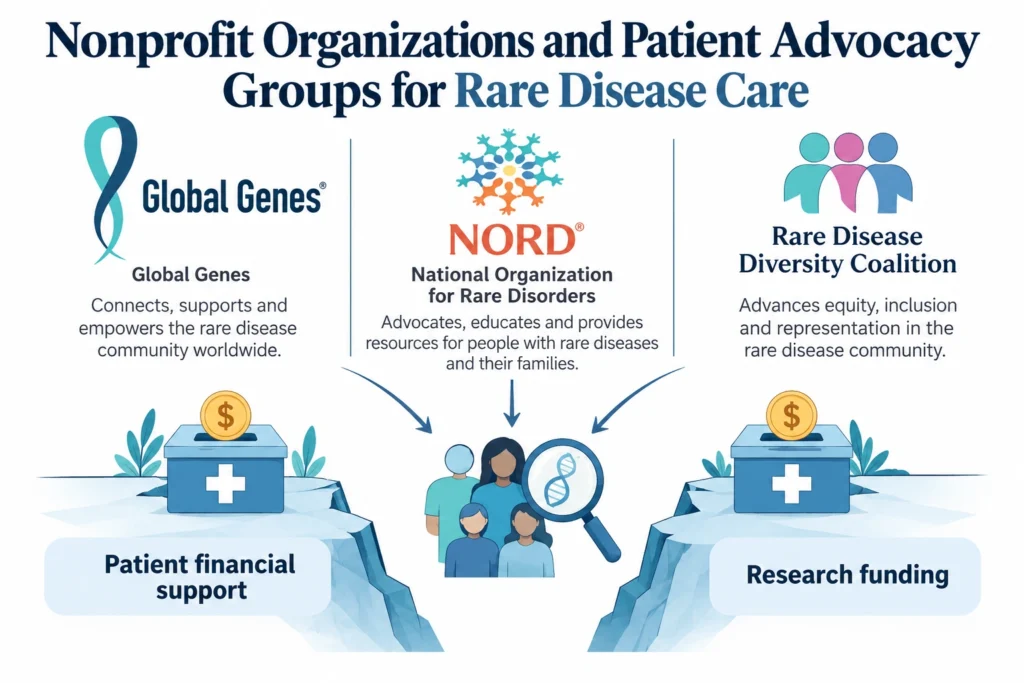
Larger advocacy networks coordinate funding across multiple rare diseases, pooling resources for shared infrastructure, regulatory advocacy, and research platforms. These networks often leverage collective purchasing power and shared expertise to maximize the funding impact.
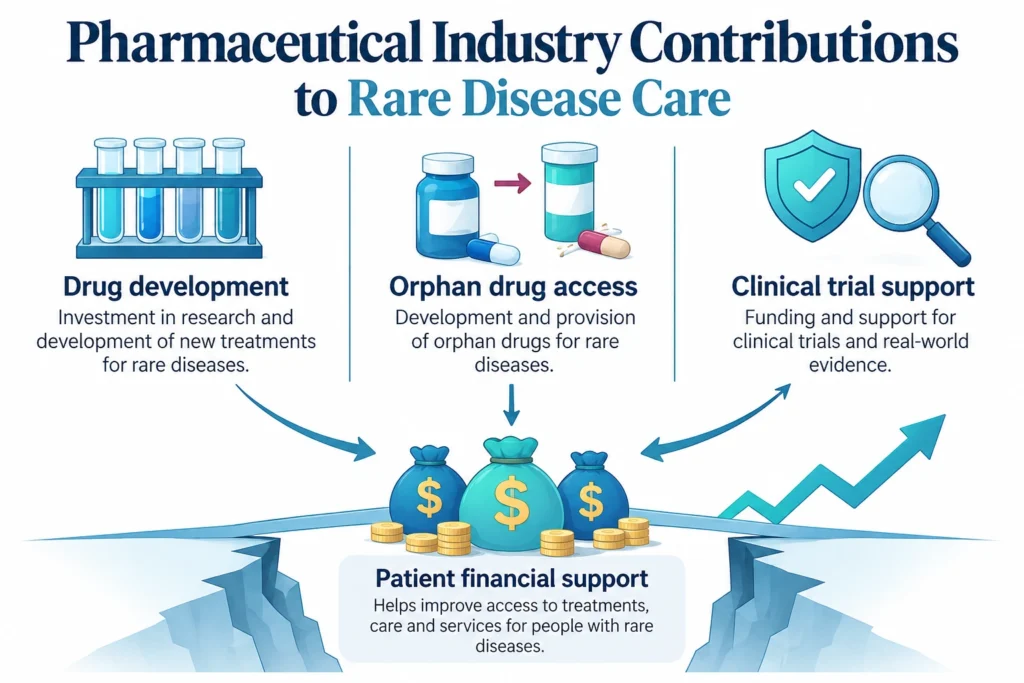
Large pharmaceutical companies maintain dedicated rare disease funding programs, recognizing both the unmet medical need and potential commercial opportunities. Pfizer, for example, operates comprehensive worldwide funding programs supporting research on sickle cell anemia, hemophilia, and cystic fibrosis.
Pharmaceutical industry funding typically focuses on later-stage research with clear regulatory pathways, including:
Smaller biotechnology companies often specialize in rare disease drug development, funding research through venture capital, public offerings, and partnership agreements with larger pharmaceutical companies. These companies frequently collaborate with patient advocacy groups and academic researchers.
The Innovative Health Initiative (IHI), a public-private partnership under the European Union, supports rare disease research through collaboration between academic institutions and industry partners. This program coordinates funding across European member states, avoiding duplication and maximizing resource efficiency.
Fondazione Telethon in Italy represents one of Europe's largest rare disease research funders, supporting both basic research and clinical development through competitive grant programs.
International organizations provide funding for rare diseases that affect populations in developing countries, often focusing on:
The Rare Diseases Clinical Research Network (RDCRN), funded by the NIH, operates 21 consortia supporting fellowship and pilot funding mechanisms across various rare disease conditions. This network facilitates collaboration between researchers, clinicians, and patient advocacy groups.
RDCRN provides infrastructure support for:
The FDA's Oncology Center of Excellence recently announced funding opportunities specifically for ultra-rare cancers with high unmet medical needs. This initiative addresses the particular challenges of developing treatments for cancers affecting very small patient populations.
Many rare disease research programs receive support from private family foundations, often established by families affected by specific conditions. These foundations typically provide:
Large corporations operate foundations that support rare disease research as part of broader healthcare philanthropy programs. These foundations often focus on specific therapeutic areas or geographic regions.
Despite the diverse funding ecosystem, significant gaps remain in rare disease research support. More than 90% of rare diseases still lack effective treatments, reflecting both scientific challenges and funding limitations.
Key funding challenges include:
Recent initiatives aim to improve funding coordination across stakeholders, including:
The funding landscape for rare disease care continues evolving as stakeholders recognize both the scientific opportunity and moral imperative to address these conditions. Success requires continued collaboration between government agencies, nonprofit organizations, industry partners, and patient communities, each contributing unique resources and expertise to advance rare disease research and care.
Future funding models will likely emphasize greater coordination, shared risk arrangements, and innovative financing mechanisms designed to address the specific challenges of rare disease drug development while ensuring sustainable access to treatments for patients worldwide.