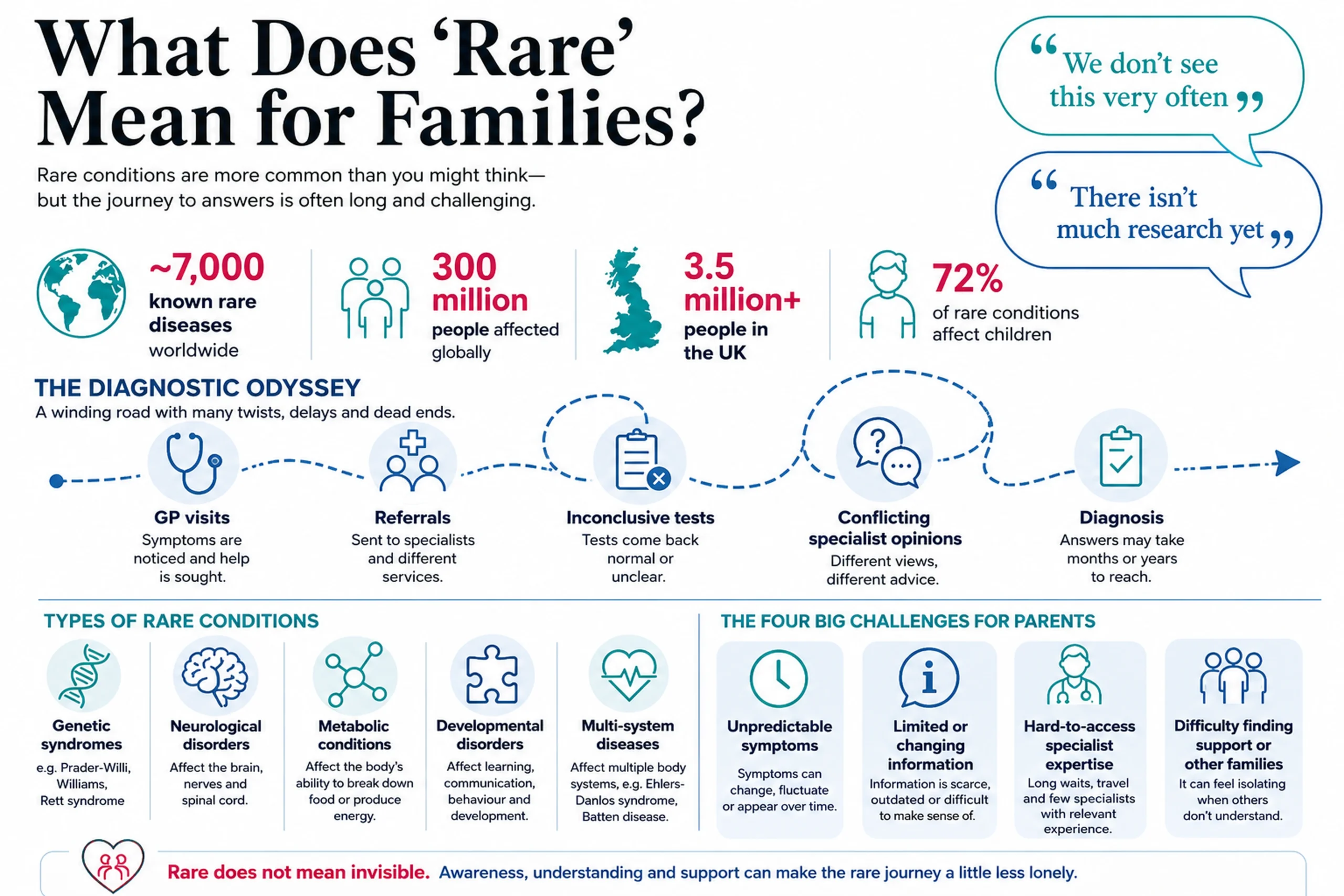
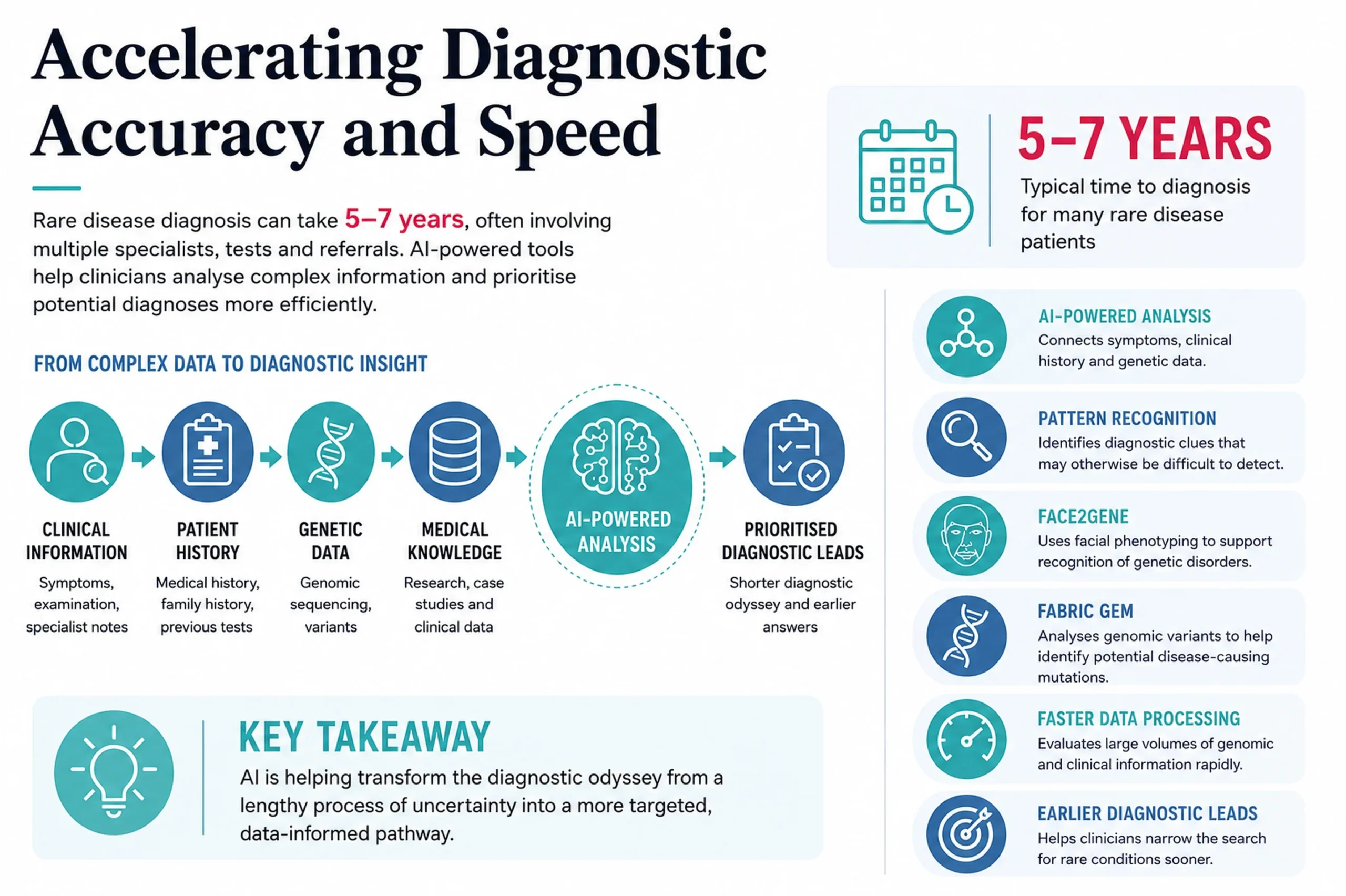
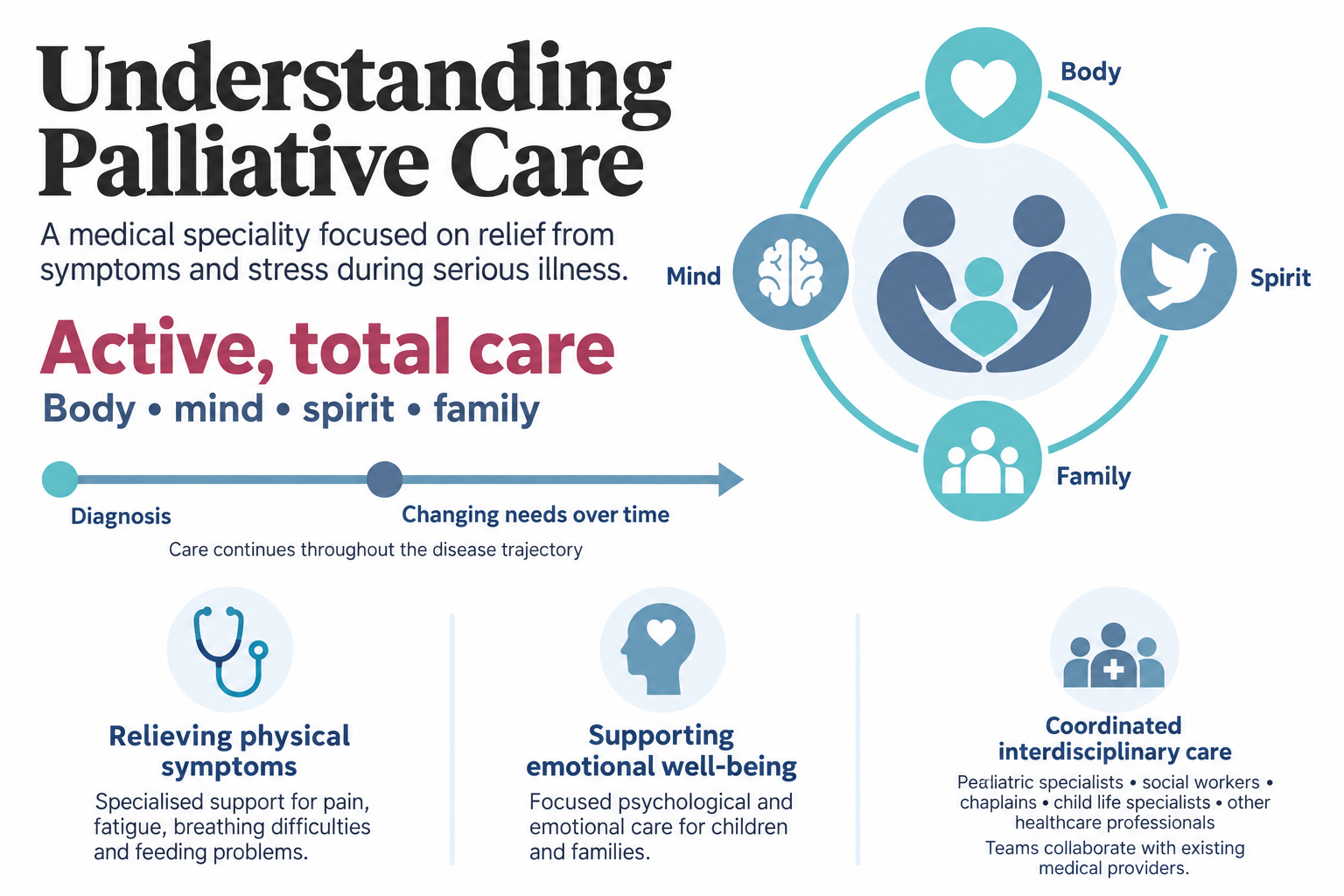
Caring for a child with a rare disease is not a sprint. It is a marathon with no clear finish line, unpredictable terrain, and very few rest stops along the way. The emotional, physical, and administrative demands placed on rare disease caregivers far exceed those experienced by the general population. Understanding and addressing burnout in this context is not about self-indulgence. It is about survival and sustainable caregiving.
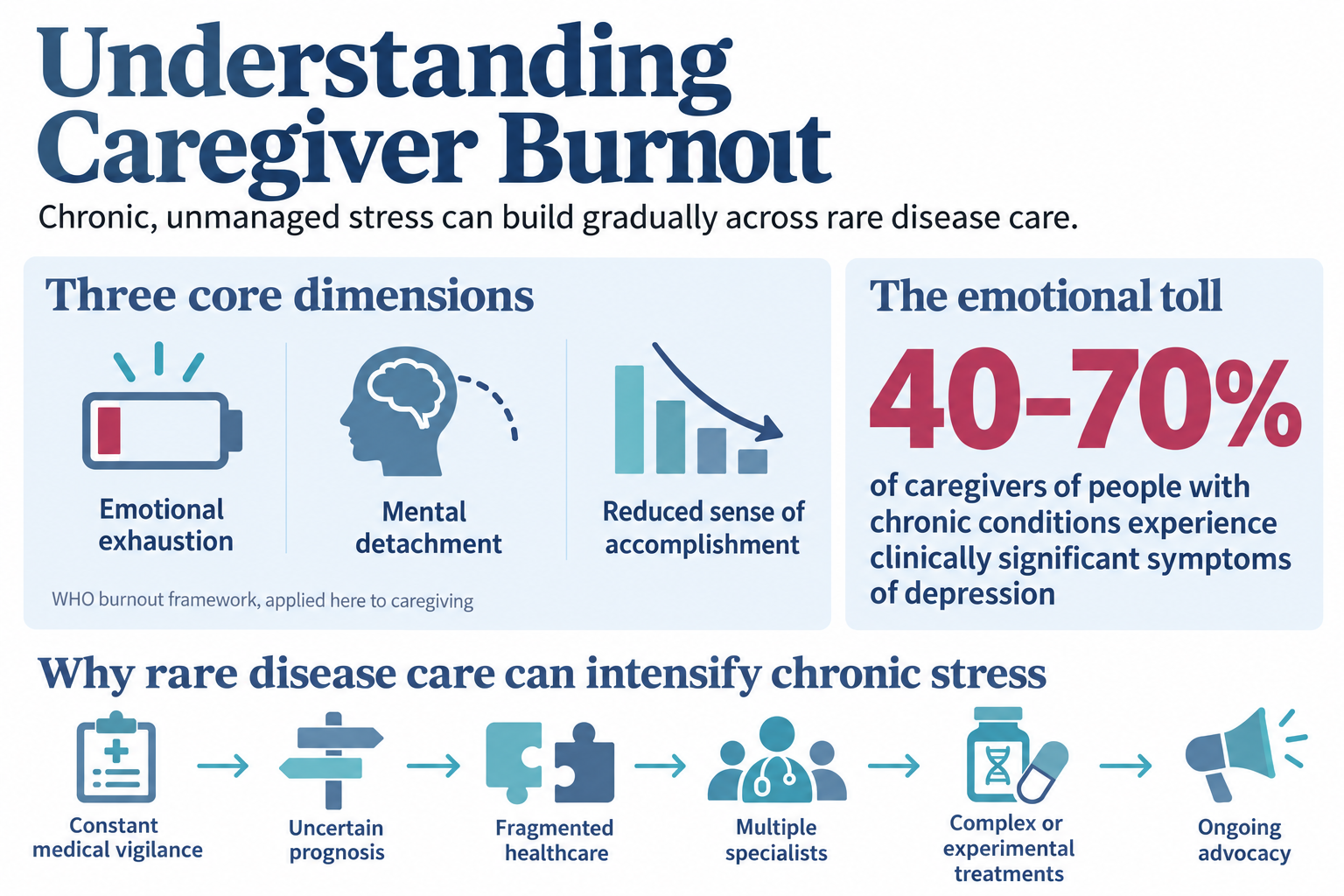
The World Health Organization defines burnout as a syndrome resulting from chronic workplace stress that has not been successfully managed. Although this definition emerged from workplace research, it applies directly to caregivers' experience.
Burnout typically shows up in three core dimensions:
For rare disease caregivers, burnout often develops gradually. The constant need to stay vigilant for medical management, the emotional weight of an uncertain prognosis, and the administrative burden of navigating fragmented healthcare systems create a perfect storm of chronic stress.
Research shows that 40% to 70% of caregivers for individuals with chronic conditions experience clinically significant symptoms of depression. Specifically among rare disease caregivers, these rates tend to be higher due to the added complexity of coordinating care across multiple specialists, managing complex or experimental treatments, and advocating within systems unfamiliar with rare disease conditions.
Several unique factors make rare disease caregivers particularly vulnerable to burnout. Understanding these factors is the first step toward preventing or reducing burnout before it becomes overwhelming.
Rare diseases often lack clear or established treatment protocols. As a result, caregivers frequently become the unofficial case managers, coordinating care between multiple specialists who may have limited experience with the condition. This responsibility requires constant research, meticulous record‑keeping, and persistent advocacy, placing an extraordinary burden on families and amplifying the uncertainty they already face.
Many families spend years searching for a correct diagnosis. Even after receiving one, the psychological impact of that journey persists. Studies show that the average delay in diagnosing a rare disease is around 4.7 years; during that time, families experience repeated misdiagnoses, being dismissed by doctors, and significant emotional trauma. This accumulated stress does not disappear once a diagnosis is given. The psychological weight of the “odyssey” continues to shape the caregiving experience long after the official diagnosis arrives.

The rarity of these conditions means fewer peer connections. Support groups may be small, dispersed, or difficult to access, leaving families without a strong community nearby. Friends and extended family often struggle to understand the daily realities of rare disease care, leading to well-intentioned but unhelpful advice or gradual withdrawal from the family's social circle. The result is a deep sense of isolation that many rare disease caregivers experience, even when surrounded by people who care.
Rare disease care can be extremely expensive. Out-of-pocket costs for families with a rare disease have been underestimated and are three to five times greater than those without a rare disease.
The financial burden comes from many directions: specialised medical equipment, specialist appointments, travel to distant treatment centres, and sometimes a reduction in working hours or loss of income can compound financial pressure.
Unlike caregiving situations with established support infrastructure, rare disease care often requires specialised knowledge and skills that standard respite providers or even family members cannot offer. As a result, many caregivers find it difficult, or even impossible, to leave their child with someone else, even temporarily, due to the complexity of their medical needs. This constant responsibility with no real opportunity to rest can be physically and emotionally exhausting and increase the risk of burnout.
Burnout does not arrive suddenly. It accumulates through incremental losses of energy, patience, and hope. Recognising the early warning signs is important, as it allows you to take action before burnout reaches the crisis point.
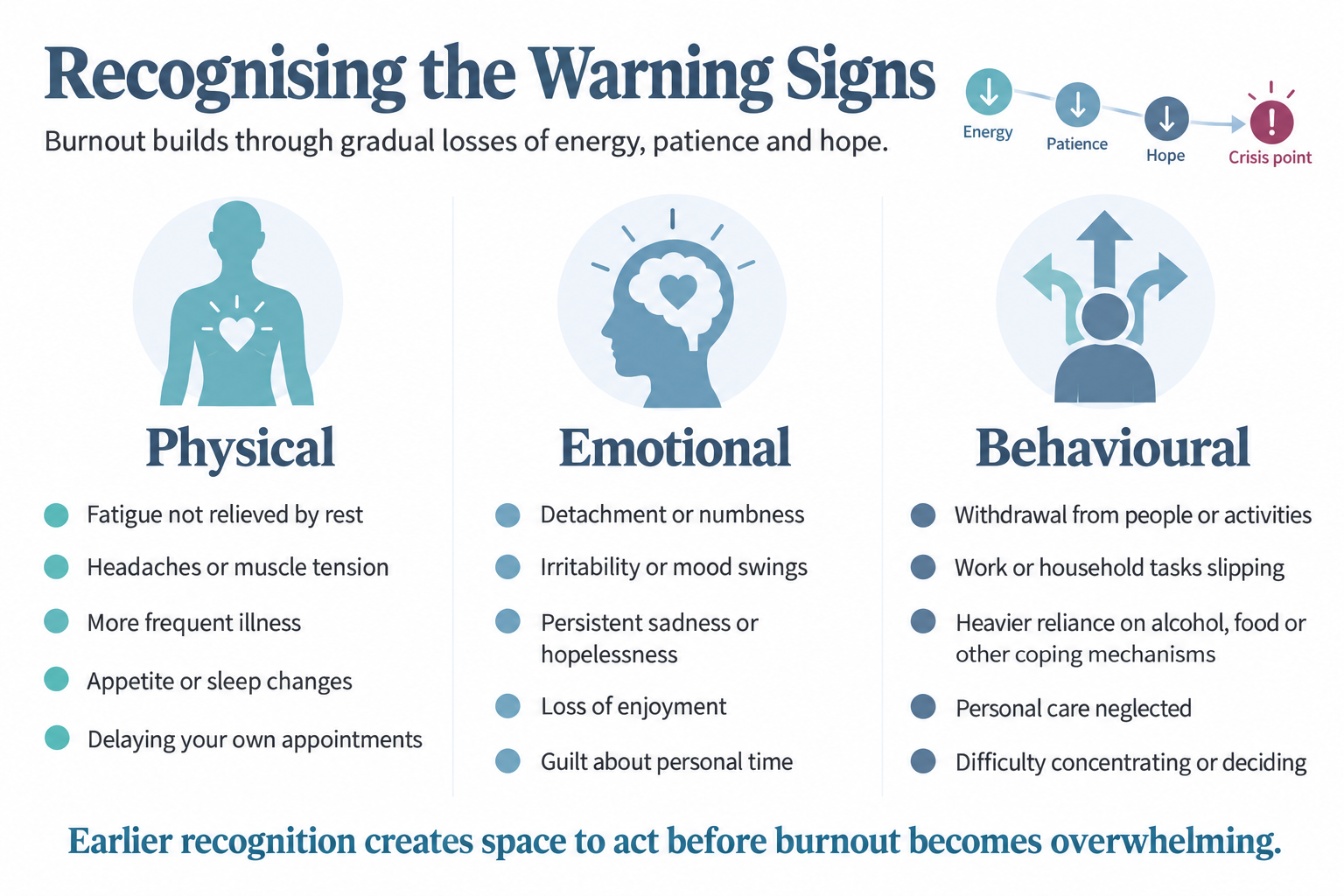
The term "self-care" has become somewhat diluted through overuse, often reduced to bubble baths and scented candles. For rare disease caregivers, self-care is a clinical necessity, not a luxury. Taking care of your own well-being directly impacts the quality of care you can provide.
Research from the Family Caregiver Alliance shows that caregiver health directly correlates with patient outcomes. Caregivers experiencing burnout are more likely to make medical errors, miss appointments, and provide lower-quality emotional support. Just like the safety instructions flight attendants give on airplanes about securing your own oxygen mask before assisting others, it applies directly here. Protecting your health is not selfish; it is essential for sustaining the caregiving journey.
Many caregivers report feeling guilty about taking time for themselves. This guilt stems from an unsustainable belief that good caregiving requires total self-sacrifice. But the evidence contradicts this belief. Caregivers who maintain regular self-care practices report higher levels of caregiving satisfaction and significantly lower rates of depression compared to those who do not. Looking after yourself and protecting your wellbeing is not a betrayal of your child’s care; it is an essential part of sustaining it.
Managing burnout requires both immediate interventions and long-term structural changes. Caregivers need strategies that ease daily pressures while also reshaping the broader structures that contribute to stress. The following strategies address multiple dimensions of caregiver wellbeing, offering practical steps to prevent burnout and support recovery.
No single person can meet all the needs of a child with a rare disease. Trying to do everything alone is not only exhausting, but it’s also unsustainable. It is essential to identify every possible source of support: healthcare providers, family members, friends, community organisations, and online communities.
Where possible, assign specific tasks to specific people. Even small delegated responsibilities, such as picking up prescriptions, helping with school runs, or preparing meals, can significantly reduce cognitive and emotional load, allowing caregivers to focus their energy where it is most needed.
Caregivers must protect time for sleep, proper nutrition, and short periods of rest. These are not optional activities to fit in when convenient. They are fundamental requirements for sustaining health and resilience. Treat these commitments with the same importance as medical appointments, schedule them into your routine to ensure they are consistently upheld.

General mental health services can be helpful, but they may not fully address the unique stressors of rare disease caregiving. It is important to seek out therapists, counsellors, support groups, and rare disease caregiver resources with specific experience in chronic illness. These specialised resources can provide more targeted guidance and validation. The Rare Disease Watch explainer library offers resources for finding condition-specific support networks.
Take a step back and honestly evaluate which tasks genuinely require your attention and which could be eliminated, automated, or delegated to someone else. Tools such as meal-planning services, automated prescription refills, and streamlined household routines may seem small, but they significantly reduce the daily burden of decision‑making.
Caregivers frequently postpone their own medical appointments. Make a conscious effort to schedule regular check-ups and mental health assessments for yourself. Consider keeping a simple log of your own symptoms, energy levels, and mood. This can help you spot patterns early, before they become more serious. Neglecting your own well-being eventually affects your ability to care for your child.
Perfect caregiving does not exist. Striving for flawless outcomes in every area only drains energy that could be better invested where it matters most. Accepting good-enough outcomes in some areas is not failure; it is a deliberate and necessary act of resource management that sustains both caregiver and child over the long term.
Some levels of burnout require professional intervention. Seek immediate support if you experience:
Getting mental health support is not a sign of weakness. It is an important part of healthcare. Many healthcare systems now recognise that supporting the caregiver’s mental health is a vital part of caring for the patient.
While individual strategies are essential, burnout is fundamentally a systemic issue. Healthcare systems, employers, and policymakers share responsibility for creating environments that support rather than deplete caregivers.
Advocacy for improved respite care funding, workplace flexibility policies, and integrated care coordination addresses burnout at its structural roots. Individual caregivers cannot solve systemic problems alone, but collective advocacy creates meaningful change over time.
Burnout is neither inevitable nor permanent. With appropriate recognition, intervention, and support, caregivers can protect their well-being while providing excellent care for their children. The goal is not to eliminate stress, but to build systems and practices that make chronic stress manageable.
Sustainable caregiving requires viewing caregiver health as integral to patient health. The two are not in competition. They are interdependent. Investing in one strengthens the other.
For additional resources on managing the rare disease caregiving journey, explore the Rare Disease Watch glossary and condition listings to connect with relevant communities and information.