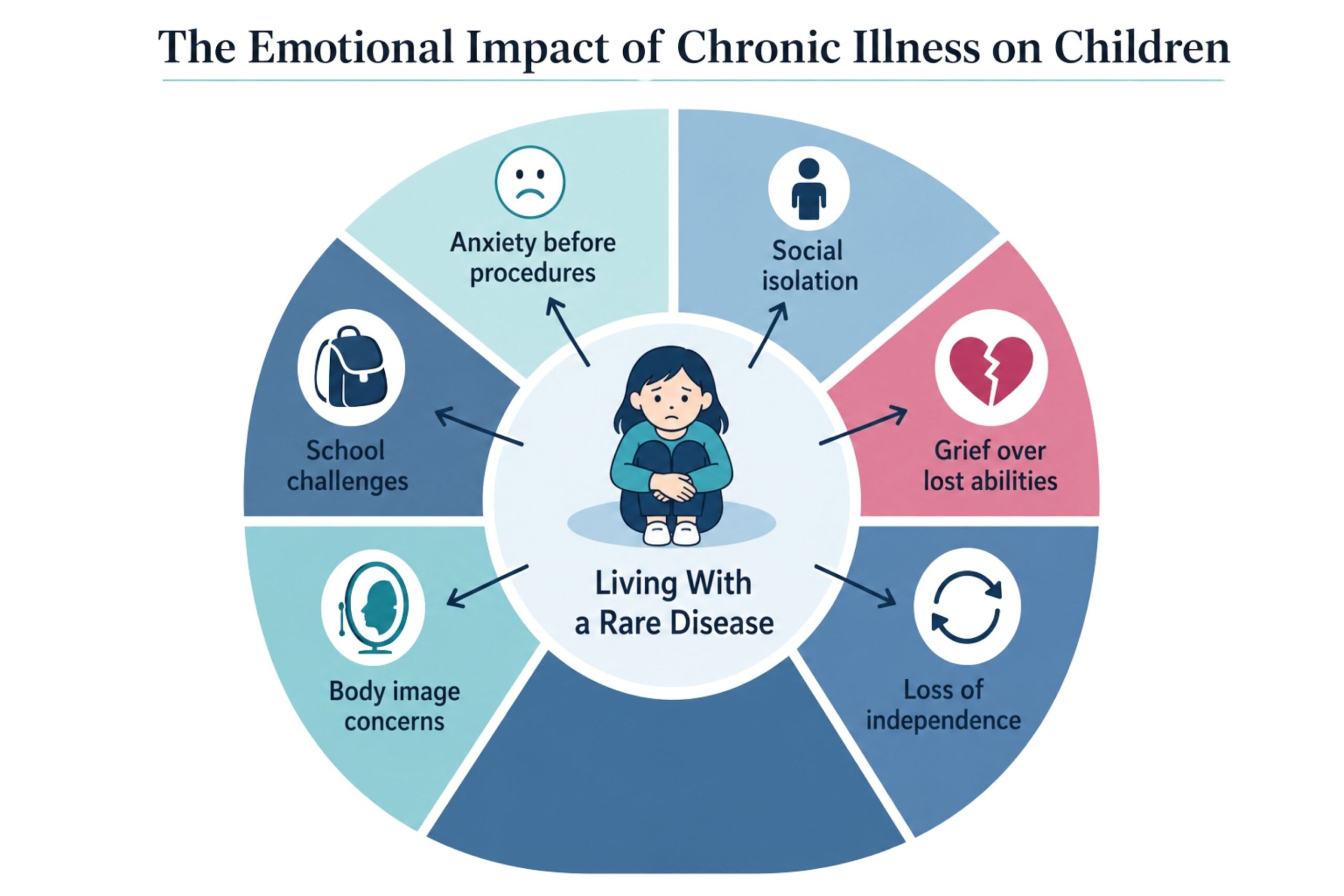
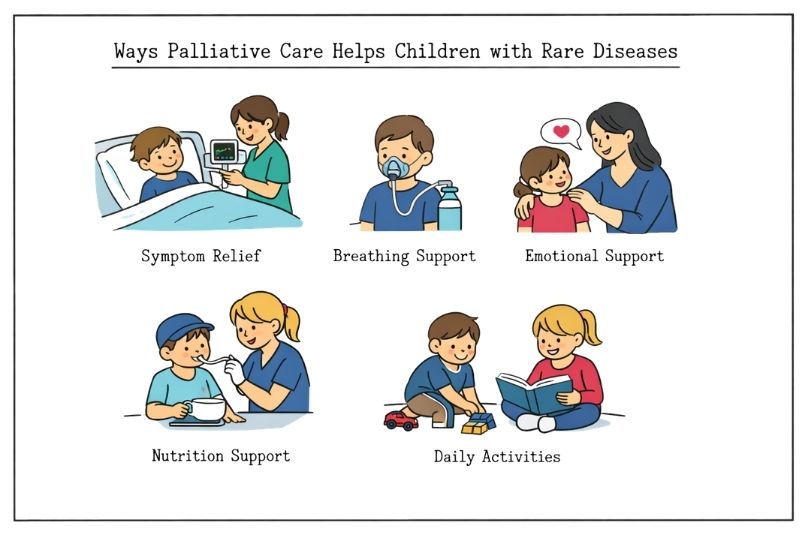
Receiving a rare disease diagnosis for your child fundamentally changes your family's journey as it introduces uncertainty that extends far beyond medical considerations. Research shows that families face a difficult adjustment period characterised by emotional upheaval, information gaps, and the need to rebuild their understanding of daily life and planning for the future.
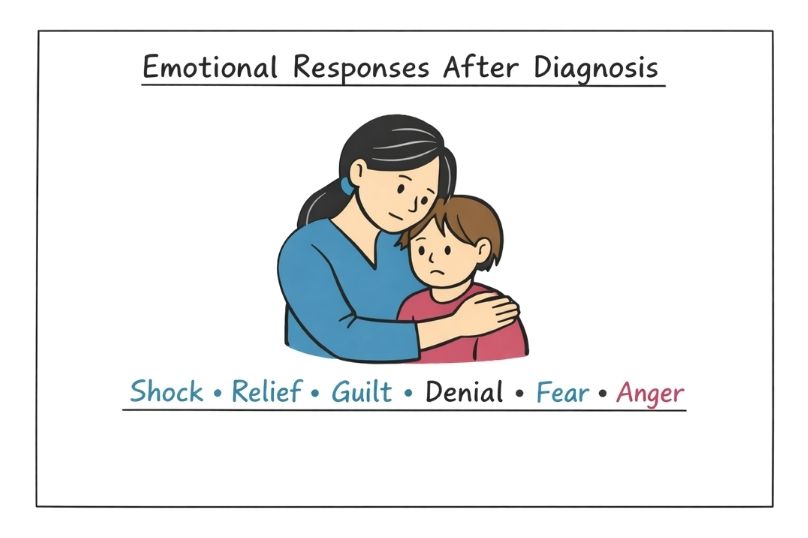
The initial response to a rare disease diagnosis typically involves multiple, often conflicting emotions. Parents commonly experience shock, relief, guilt, denial, anger, and fear simultaneously. The diagnostic process itself, often called the "diagnostic odyssey", creates additional psychological stress as families usually navigate years of medical uncertainty before receiving definitive answers.
Studies show that parents may initially experience worsened mental and emotional health immediately following diagnosis, before adaptation mechanisms develop. This temporary deterioration is a normal response to life-altering information rather than an indication of inadequate coping skills.
Many families are surprised to feel a sense of relief. After uncertainty, finally having answers can validate concerns that may have been dismissed or minimised during the diagnostic journey. However, this relief quite frequently coexists with grief for the future that the families had envisioned for themselves before the diagnosis.
The period immediately following diagnosis requires a careful balance between gathering necessary information and avoiding information overload. Medical professionals usually recommend taking time to process the initial diagnosis before making major decisions or conducting extensive research.
Effective information gathering involves identifying three primary sources: your child's medical team, reputable medical organisations, and disease-specific patient advocacy groups. These sources provide different perspectives and types of information essential for a comprehensive understanding.
Seeking a second opinion is a standard medical practice for rare disease diagnoses, particularly given the specialised knowledge required for accurate assessment. This process should be viewed as due diligence rather than questioning your physician's competence.
Research identifies multiple effective approaches for managing diagnosis-related anxiety. Therapy, meditation, journaling, and structured stress reduction techniques demonstrate benefits for families adjusting to rare disease diagnoses.
The key principle involves recognising that different strategies work for different individuals and family systems. What provides comfort for one parent may increase anxiety for another, making personalised approaches essential.
Establishing relationships with healthcare providers who communicate effectively is a critical foundation for long-term management. Families benefit from physicians who provide clear explanations, respond to questions without judgment, and show understanding of the family's broader concerns beyond medical symptoms.
Coordination between specialists becomes increasingly important as rare diseases often require multidisciplinary care teams. Families should expect to work with geneticists, disease specialists, therapists, and potentially other healthcare providers depending on their child's specific condition.
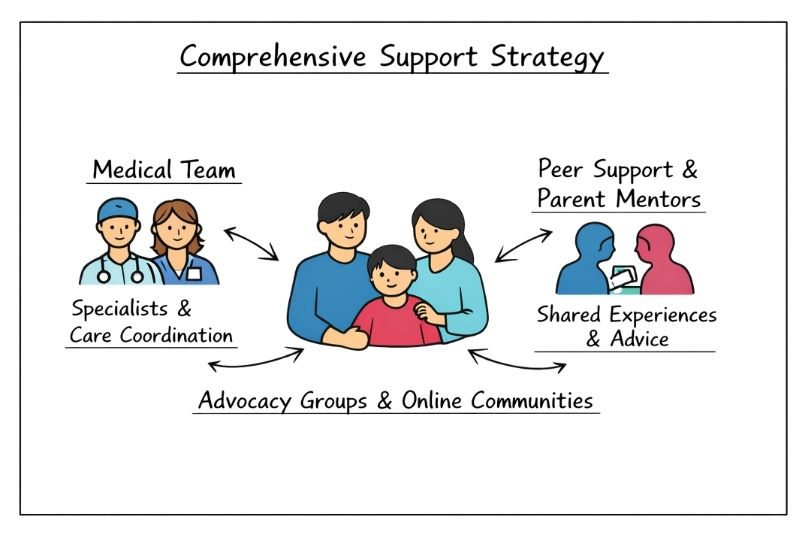
Research consistently suggests that peer support from other families managing the same or similar conditions provides unique benefits that professional or general social support cannot replicate. These connections offer advice, emotional validation, and hope based on shared experience.
Parent mentor programs, where families recently diagnosed connect with experienced families, show measurable improvements in adjustment outcomes. These relationships provide specific information about daily management strategies, educational advocacy, and long-term planning that medical teams may not address completely.
Online communities and support groups offer accessibility advantages, particularly for families managing rare conditions with limited local resources. However, families should verify information shared in these forums with medical professionals.
Close friends and family members provide essential emotional support, though they may require education about the diagnosis and its implications. Clear communication about the family's needs, preferred ways to offer help, and boundaries around advice or suggestions helps maintain supportive relationships.
Some families benefit from designating a family spokesperson to share updates and coordinate support, reducing the emotional burden of repeatedly explaining complex medical information.
Successful long-term adaptation involves developing flexible coping strategies that can be modified as circumstances change. Research identifies several approaches:
Living day by day rather than focusing exclusively on long-term uncertainty helps families manage overwhelming feelings about the future. This approach allows for planning while preventing anxiety about unknown outcomes from dominating daily life.
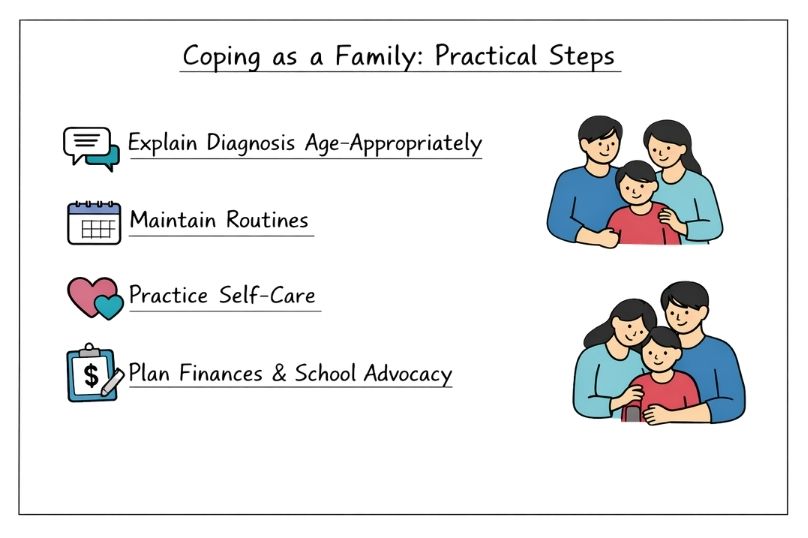
Maintaining normal family activities to the extent possible provides stability and continuity for all family members. This may require modifications, but it preserves important family traditions and relationships.
Building resilience through challenges involves recognising family strengths and developing confidence in the ability to handle difficulties as they arise.
Explaining the diagnosis to siblings requires age-appropriate information that addresses their concerns while maintaining family stability. Children often worry about whether they might develop the condition or whether they caused their sibling's illness through their behaviour.
Regular family meetings provide opportunities for questions, concerns, and updates as the child's condition and understanding evolve. These conversations should be ongoing rather than singular events.
Parents and primary caregivers face increased stress that can impact their physical and mental health if not addressed proactively. Research emphasises that seeking help reflects strength rather than weakness in managing complex family situations.
Effective self-care strategies include maintaining social connections outside the medical community, pursuing personal interests when possible, and accessing professional mental health support when needed.
Writing or journaling has been shown to benefit emotional processing and stress management. This activity can also help parents track their child's progress, process their emotions, and identify patterns in effective coping strategies.
Navigating educational systems requires understanding legal rights, available accommodations, and effective advocacy strategies. Families benefit from learning about Individualised Education Programs (IEPs), 504 plans, and other support mechanisms available in their educational system.
Building collaborative relationships with school personnel often produces better outcomes than adversarial approaches. Families should be prepared to advocate firmly for their child's needs when necessary.
Rare diseases often involve significant medical expenses, potential loss of income due to caregiving responsibilities, and long-term care considerations. Early financial planning and understanding of available resources help families make informed decisions about care options.
Insurance advocacy may require learning complex terminology and appeals processes. Many patient advocacy organizations provide resources and support for navigating insurance challenges specific to rare diseases.
Mental health professionals with experience in chronic illness and family systems can provide valuable support throughout the adjustment process. These professionals help families develop coping strategies, improve communication, and navigate the ongoing challenges of rare disease management.
Social workers specializing in medical settings often provide valuable assistance with resource identification, benefit navigation, and coordination between medical and educational systems.
Accepting uncertainty while still maintaining hope requires ongoing effort and frequently benefits from professional guidance. Families must learn to balance realistic planning with optimism about future developments in research and treatment options.
Research in rare diseases continues advancing rapidly, with new treatments and understanding emerging regularly. Staying informed about research developments without becoming consumed by constant searching for solutions helps families maintain hope while focusing on present needs.
The adjustment process typically involves a gradual acceptance of a "new normal" rather than returning to previous expectations. This evolution allows families to maintain meaningful goals and relationships while adapting to changed circumstances.
Successful long-term adaptation often involves finding meaning in the experience through advocacy, support of other families, or contribution to research efforts. These activities can provide purpose and connection while honouring the family's unique journey.
Coping with uncertainty following a rare disease diagnosis represents an ongoing process rather than a destination. Families who access appropriate support, develop flexible coping strategies, and maintain connections to both medical care and peer support typically demonstrate successful adaptation over time. The key involves recognising that adjustment takes time, and that seeking help strengthens rather than weakens family resilience in managing complex challenges.