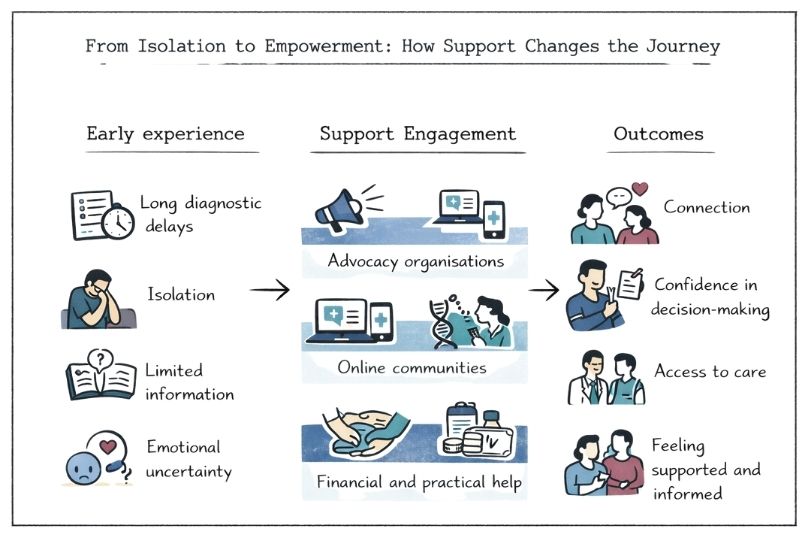
Living with a rare disease presents unique challenges that extend far beyond medical symptoms. There are over 7,000 known rare diseases, and they affect around 300 million people worldwide. Patients and families deal with long waits for diagnosis, few treatment options, and the feelings of isolation. But things are getting better. There's a strong network of support groups, online communities, and resources out there to help with the emotional, social, and practical needs of those navigating rare disease journeys.
The rare disease community has developed comprehensive support systems that recognize the wide-ranging difficulties patients deal with. These resources address not only medical needs but also the psychological impact of living with uncertainty, the social struggles from having a condition no one understands, and the practical difficulties of accessing proper care and financial assistance.
The National Organization for Rare Disorders stands as the cornerstone resource in the rare disease community. It's a federation of voluntary health organizations that offers comprehensive programs including education, advocacy, research, and direct help for patients. The organization partners nationally and globally to improve clinical care standards and to develop patient registries and natural history studies that advance understanding of rare conditions.
NORD's annual conferences serve as crucial gathering points where rare disease community members connect, learn, and build relationships that extend beyond medical encounters. These events facilitate knowledge sharing between patients, caregivers, healthcare providers, and researchers, creating a collaborative environment that drives progress in rare disease care.

Global Genes is a dedicated advocacy organization that connects individuals across the rare disease spectrum. Their RARE Disease Community functions as a private discussion platform where patients, caregivers, and advocacy group members engage in meaningful conversations about shared experiences and challenges.
This community addresses critical topics, including:
• Financial advocacy and insurance navigation
• Health equity and access disparities
• Genetic-based diagnosis processes
• Treatment decision-making
• Caregiver support and self-care strategies
Organizations like the Lysosomal Disease Network demonstrate how specialized support can address specific disease categories. This NIH-funded network channels limited resources into specialized centers with expertise in lysosomal diseases, affecting about 1 in 5,000 to 8,000 people. By creating collaborative networks, these organizations enable medical centers to share knowledge and boost treatment research for conditions that might be ignored.
Living with a rare disease often brings heavy emotions, like grief over expectations that just aren't going to happen anymore, anxiety about uncertain prognoses, and frustration with medical systems. Support organizations provide several mechanisms for addressing these psychological needs:
Peer Support Groups: Both in-person and virtual support groups connect individuals with others experiencing similar challenges. These groups offer safe spaces to share experiences, discuss coping strategies, and provide mutual encouragement.
Professional Counselling Services: Many organizations maintain networks of mental health professionals experienced in rare disease challenges. These specialists understand the unique stress associated with diagnostic uncertainty, treatment limitations, and social isolation.
Educational Resources: Comprehensive educational materials help patients and families understand their conditions, treatment options, and rights within healthcare systems. This knowledge empowers informed decision-making and reduces anxiety associated with the unknown.
To fight isolation and build connections that rare disease patients often lack, organizations help through:
Online Communities: Digital platforms connect people no matter where they are, allowing individuals with extremely rare conditions to find others with similar experiences. These communities operate continuously, providing support during crisis periods and celebrating achievements together.
Local chapters: Regional groups set up in-person meetups, social events, and outreach to help rare-disease families connect with larger support networks. These Special programs understand that rare diseases hit the whole family, so they offer targeted resources for parents, siblings, spouses, and caregivers dealing with extra stress and trauma.
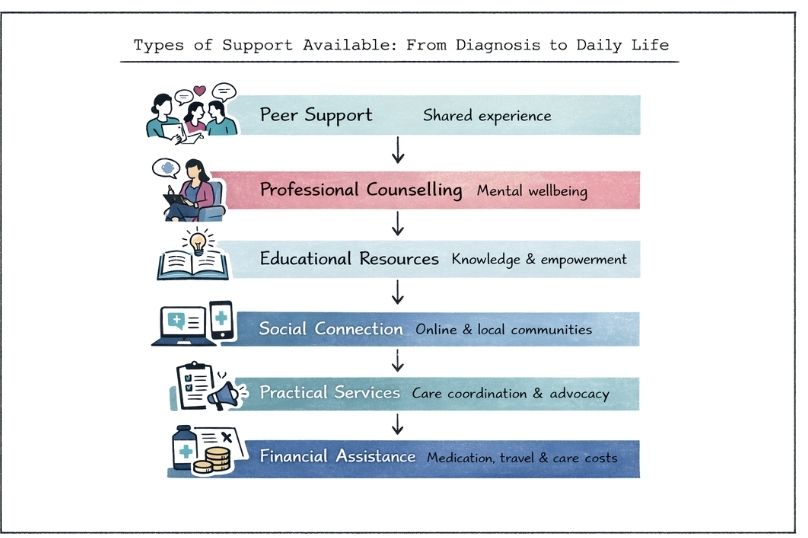
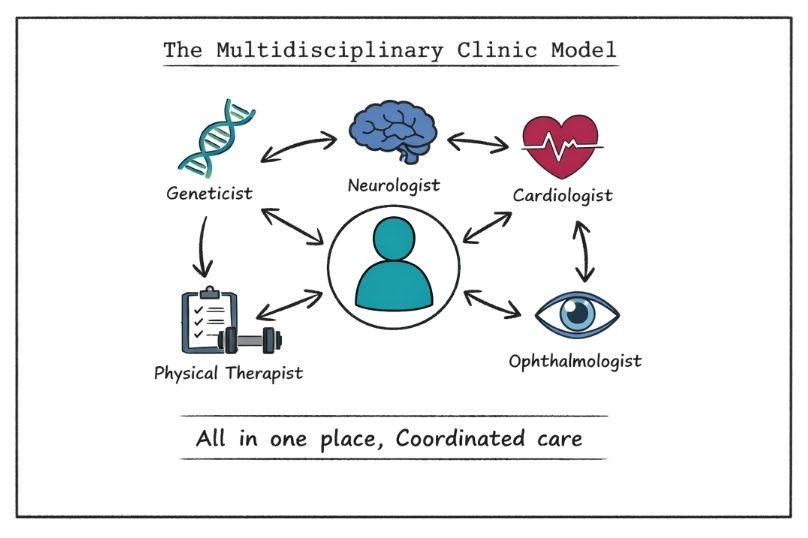
Beyond emotional and social support, organizations address the practical challenges of managing rare diseases. Many organizations help patients build comprehensive care teams, connecting them with specialists, genetic counsellors, and other healthcare providers experienced in their specific conditions.
Specialized advocates help patients understand insurance coverage, appeal denials, and access prior authorization processes for expensive treatments and medications. Organizations also provide resources for school systems, employers, and community groups to understand the needs of people with rare diseases and implement appropriate accommodations.
NORD's RareCare program is available to patients with rare diseases. This program provides:
• Medication access assistance
• Insurance premium and copay support
• Diagnostic testing financial aid
• Travel assistance for clinical trials or specialist consultations
• Caregiver respite funding
• Connections to additional patient assistance programs
Pharma companies are stepping up with patient assistance programs made just for rare disease drugs. They often offer free or discounted meds to patients who qualify, recognizing the limited patient populations and high treatment costs associated with rare-disease therapies.
Groups like patient advocates team up with doctors to guide people through these programs, so patients get the financial help they need without interrupting treatment.
The National Center for Advancing Translational Sciences (NCATS) at NIH offers great online tools on rare diseases. These platforms provide access to:
• Rare disease social networks
• Online medical reference materials
• Clinical trial databases
• Event calendars and educational opportunities
• Research publication libraries
Digital health technologies are a game-changer for rare disease patients who may live far from specialized care centers. Telehealth platforms enable regular consultations with specialists, remote symptom monitoring, and participation in virtual support groups that would otherwise be geographically inaccessible.
The rare disease support networks extend globally through organizations such as the European Organisation for Rare Diseases (EURORDIS), Rare Diseases International (RDI), and regional networks like the Asia Pacific Alliance of Rare Disease Organisations (APARDO).
In Canada, the Canadian Organization for Rare Disorders (CORD) serves as the national network representing people affected by rare disorders and advocates for healthcare policies that benefit those with rare conditions. The International Rare Diseases Research Consortium (IRDiRC) coordinates global efforts to advance research and care standards across international boundaries.
When first confronting a rare disease diagnosis, patients and families can begin accessing support through several entry points:
Contact NORD's Information Specialists: These professionals provide personalized guidance about available resources, disease-specific organizations, and appropriate next steps for individual situations.
Organizations like the National Gaucher Foundation help patients with specific conditions build care teams, connect with experienced patients, and locate targeted financial support.
Joining Online Communities, Digital platforms offer immediate access to peer support and practical advice from experienced community members.
Adequate rare-disease support involves collaboration among patients, families, healthcare providers, and support organizations. Healthcare teams can facilitate connections with appropriate resources, while support organizations can help patients prepare for medical appointments and advocate for their needs within healthcare systems.
The rare disease support network out there shows one big thing: your condition might be rare, but the help around it has gotten really strong and smart. Thanks to groups working together, digital innovation, and real community building, patients and families get solid emotional support, practical help, and connections that turn feeling alone into feeling part of something bigger and empowered.
As research continues to advance treatment options and diagnostic capabilities improve, the support infrastructure continues to evolve to meet emerging needs and ensure that no individual faces a rare disease journey alone.